
Korea, Explained
KOREA, EXPLAINED
The little things that make everyday life in Korea different.
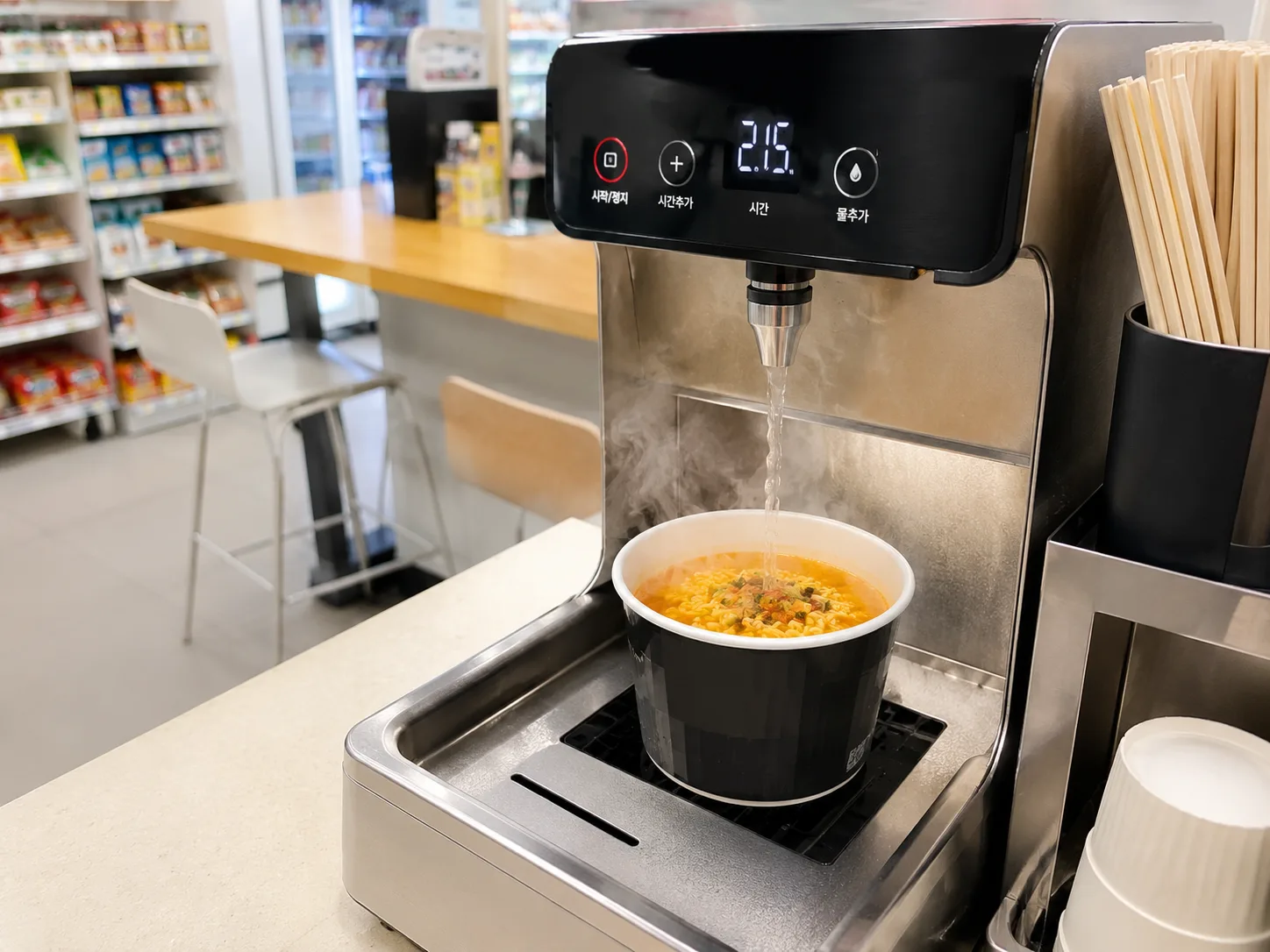
Convenience-Store Ramyeon Stations
Buy a pack of ramyeon at the store, then use the self-service cooker to make and eat it on the spot.
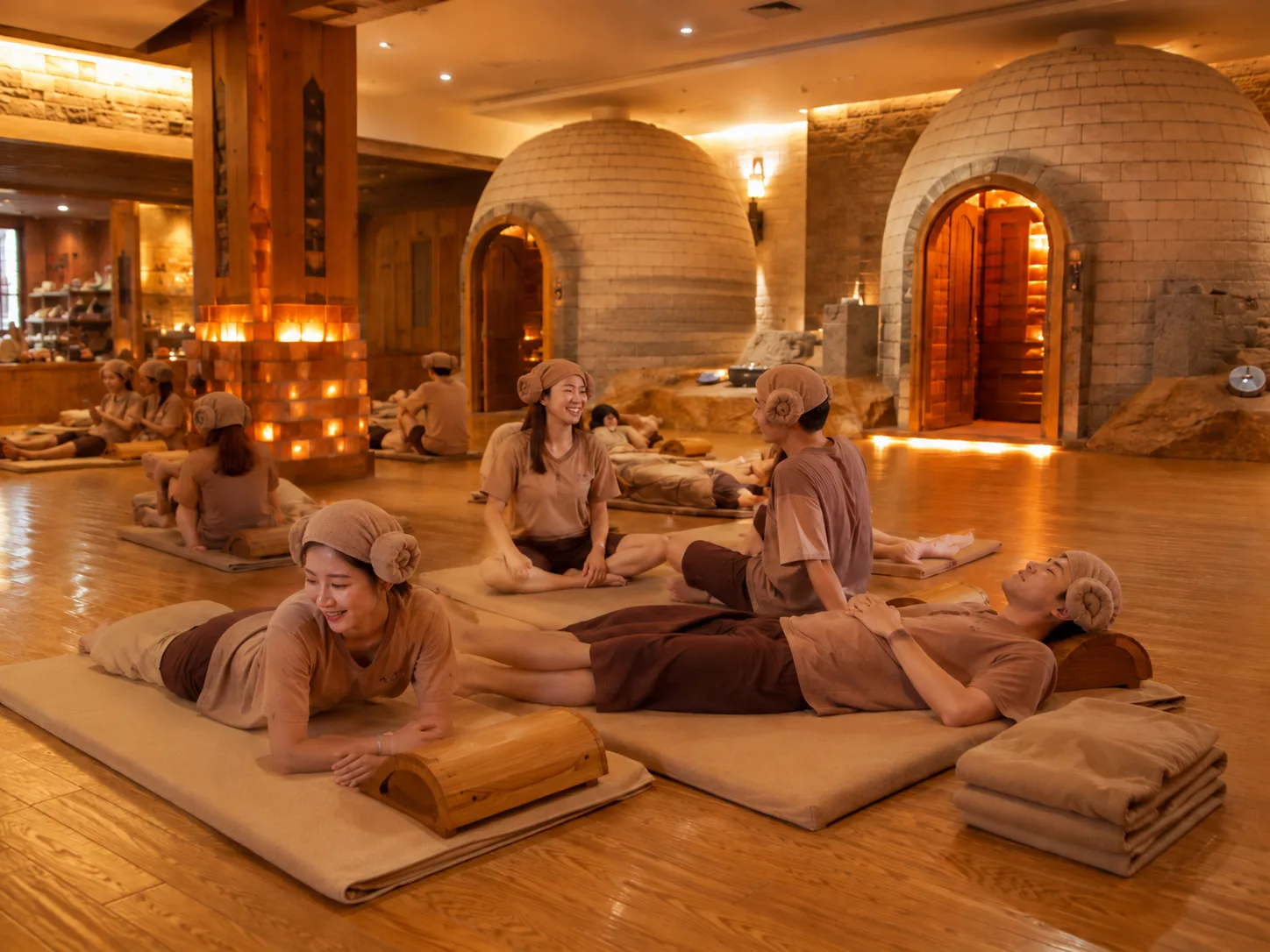
Jjimjilbang
A jjimjilbang brings baths, saunas, heated rooms, food, and lounge areas together in one Korean-style relaxation space.
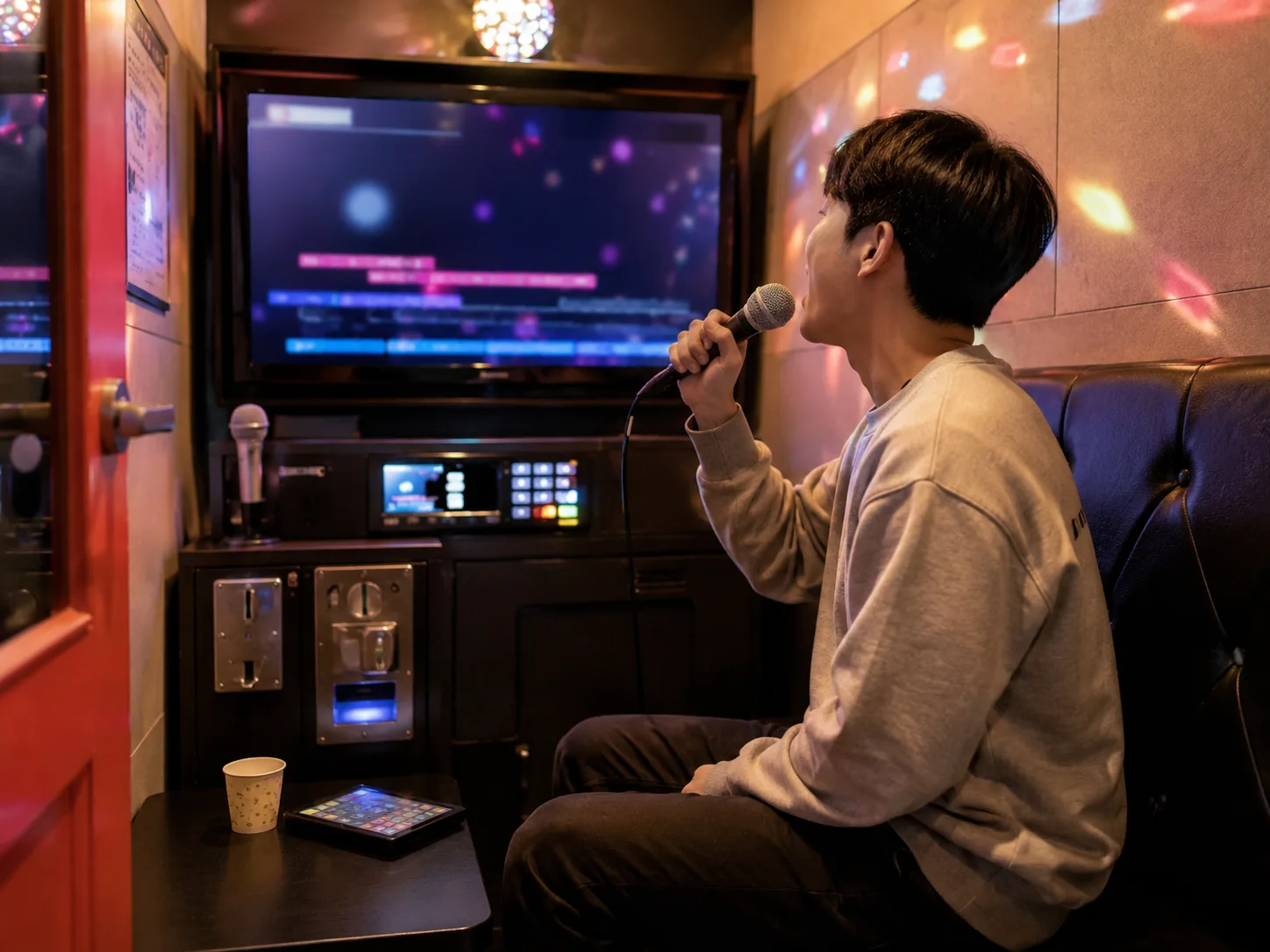
Coin Karaoke
Pay by the song and sing in a small private booth without booking a full-size karaoke room.
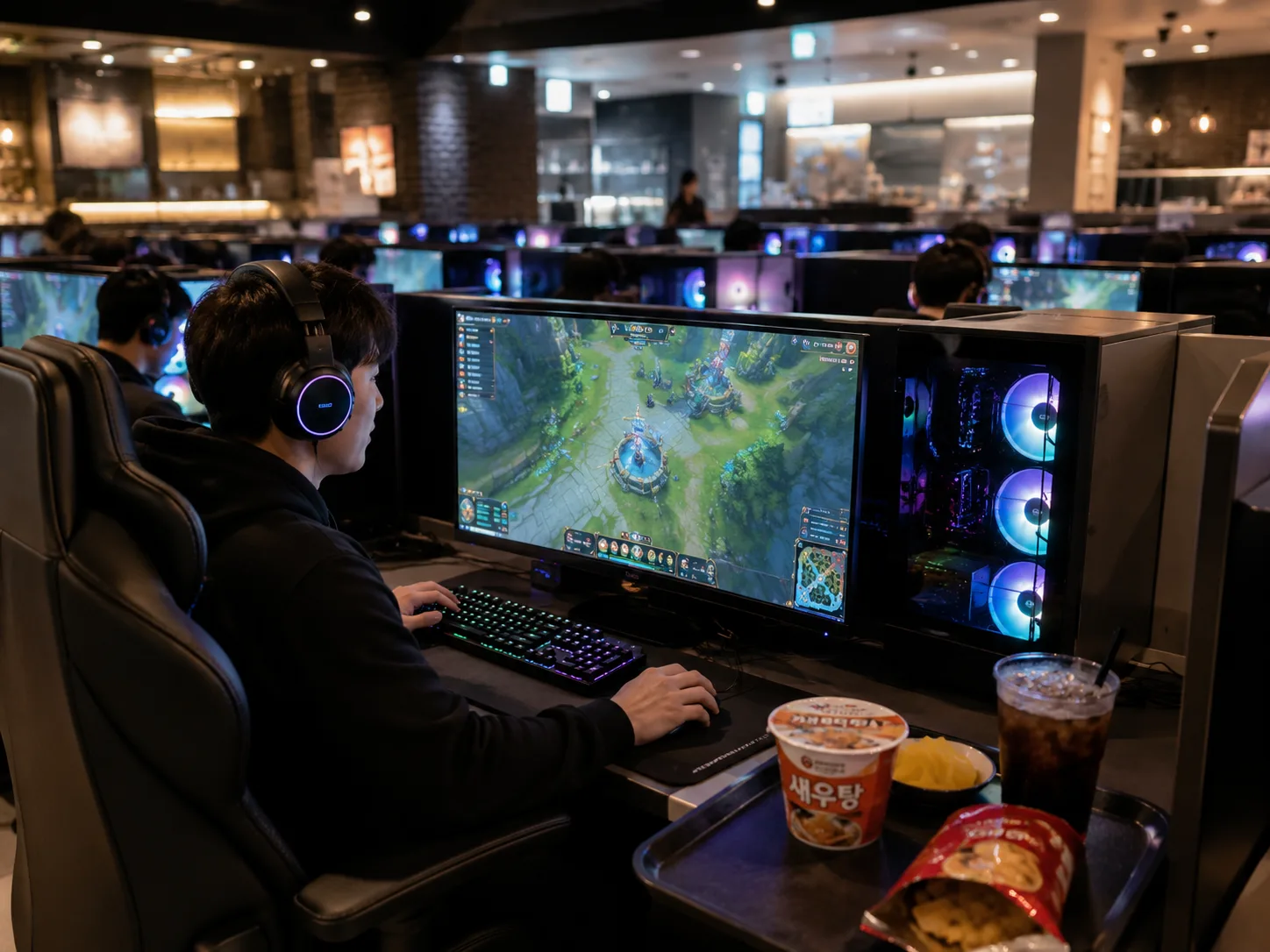
PC Bangs
Play games on a high-performance computer and order food and drinks without leaving your seat.
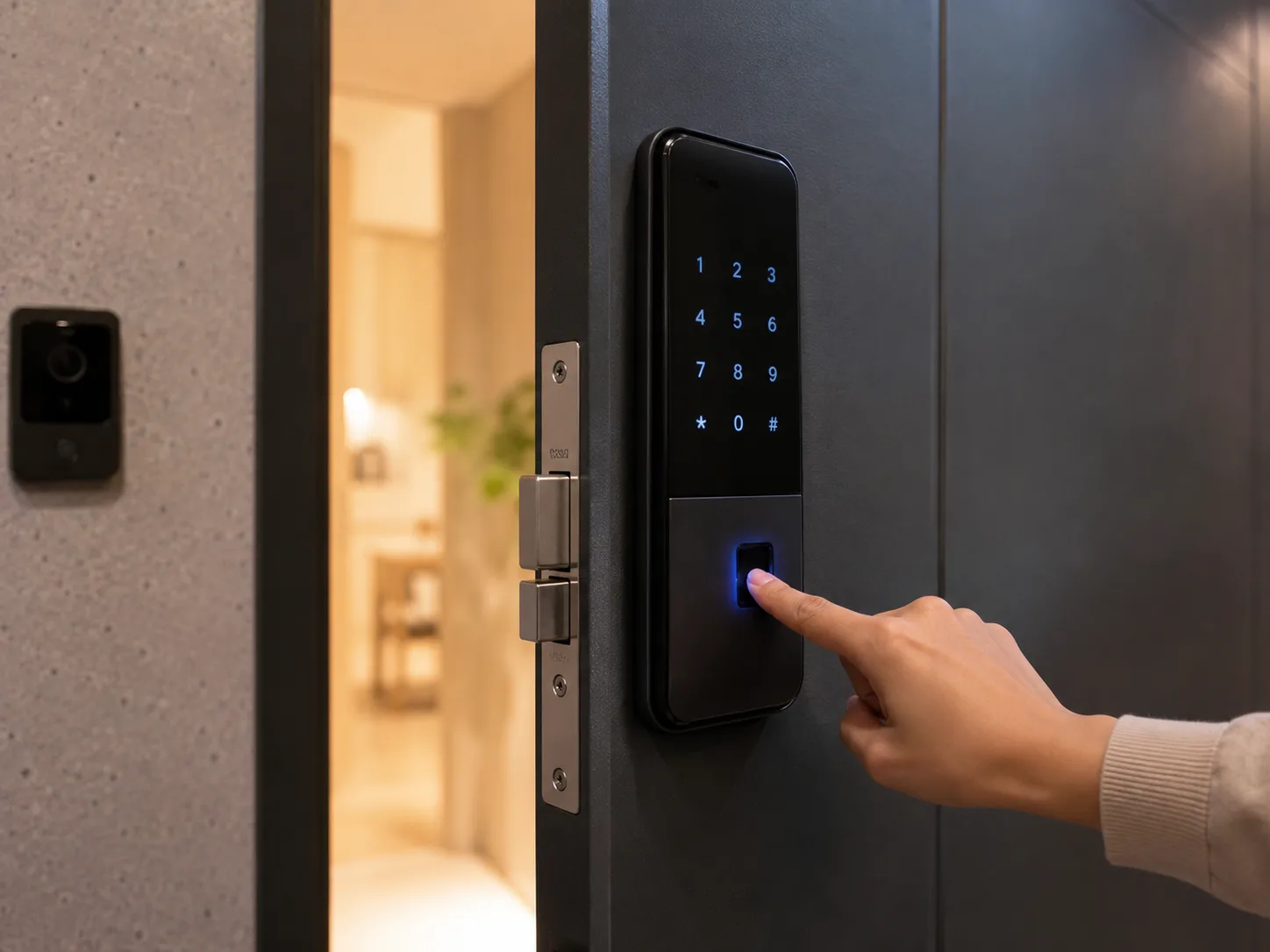
Digital Door Locks
Many Korean homes use a PIN, card, or fingerprint instead of a traditional key.
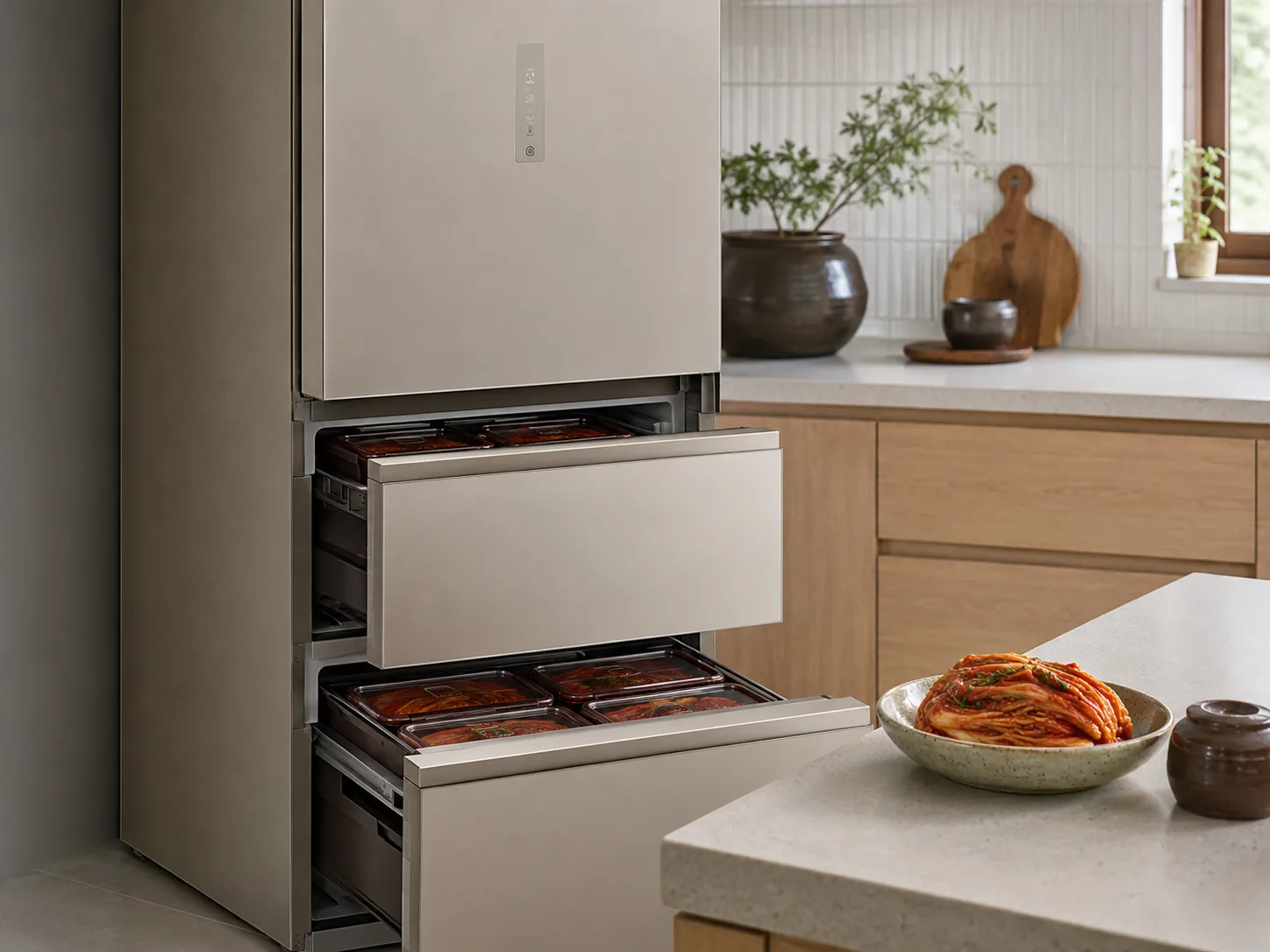
Kimchi Refrigerators
A dedicated refrigerator controls the temperature and storage conditions for different kinds and stages of kimchi.
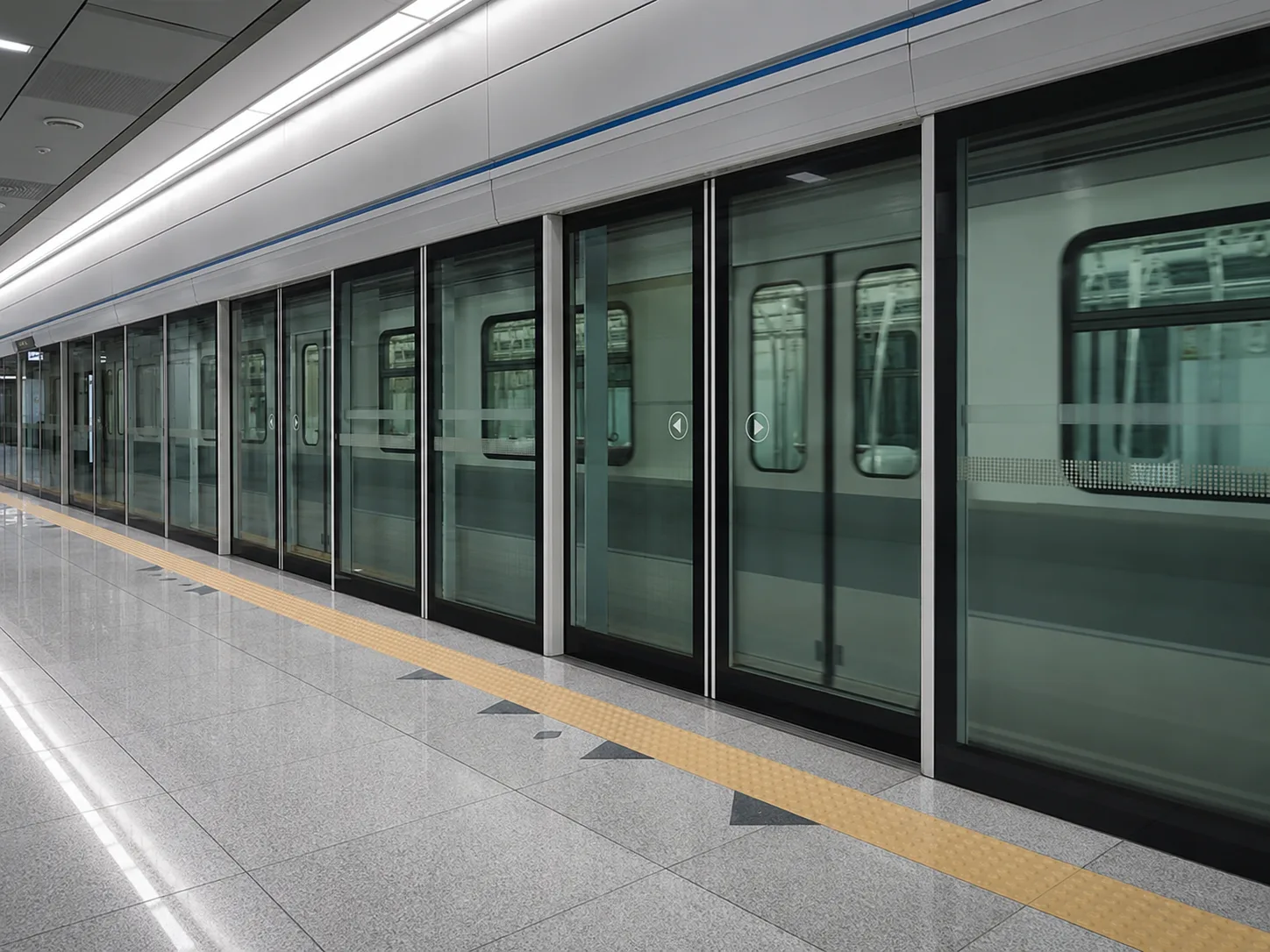
Subway Platform Screen Doors
These doors separate the platform from the tracks, helping prevent accidents while reducing noise, dust, and strong train winds.
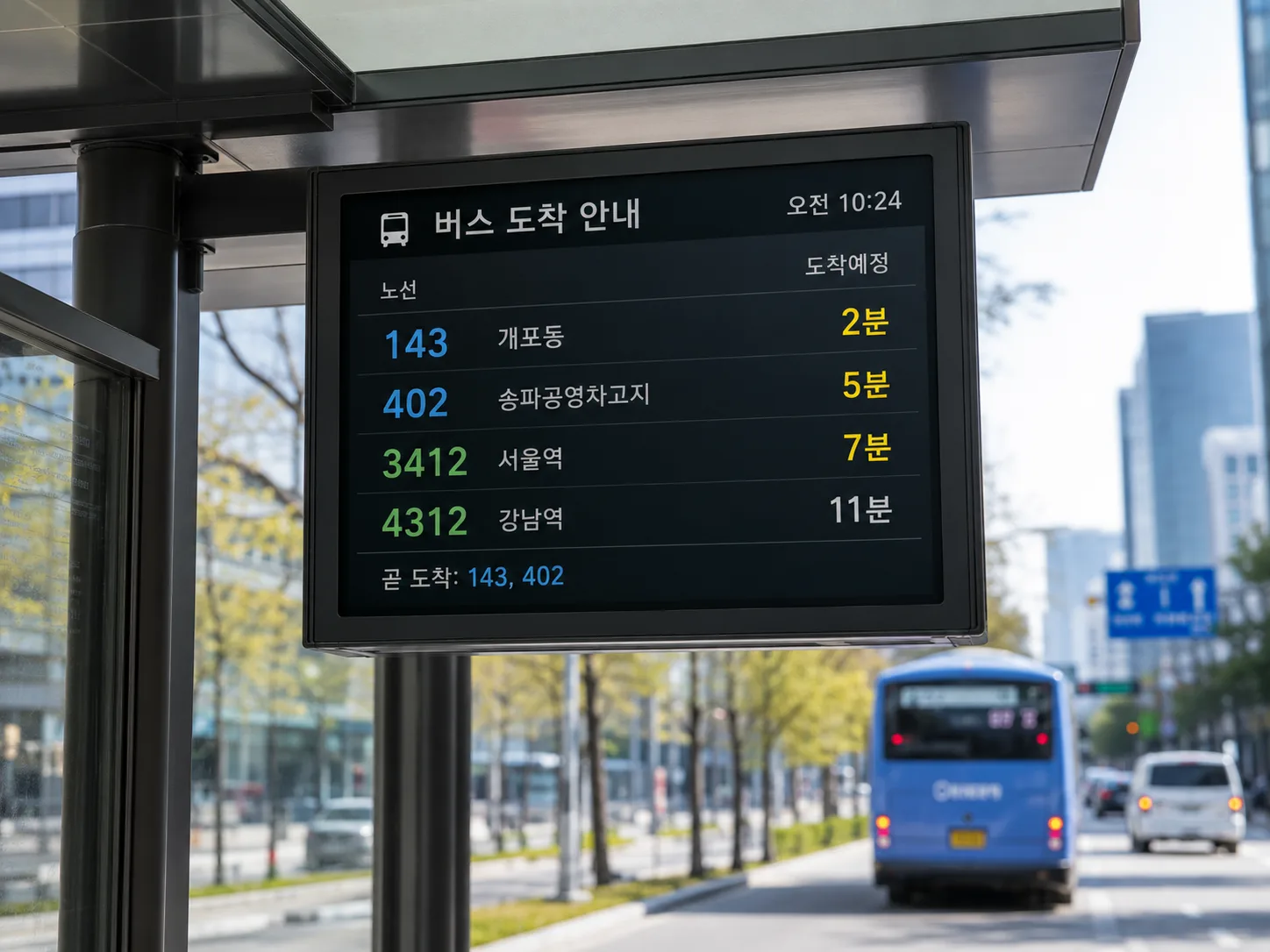
Real-Time Bus Arrival Displays
At many bus stops, a display shows in real time how many minutes remain before the next bus arrives.
Details
Coin Karaoke
Coin karaoke is a smaller, more casual spin on Korea's noraebang, or private karaoke-room culture. Noraebang has long been a classic final stop after work dinners, dates, and nights out with friends, but gathering a group and booking a large room for an hour or two is not always convenient. At coin karaoke, you pay for a few songs, step into a compact booth, and start singing right away. It is popular for solo practice, a quick break, or simply blowing off steam. Small booths also fit easily into busy shopping streets, areas near schools, and underground shopping centers. The format shows how a group activity became something people can also enjoy briefly and alone. With frequent song updates, recording features, and no audience to impress, coin karaoke is less about showing off and more about letting your feelings out for a few minutes. A tiny booth can feel like a personal stress-relief room.