
Korea, Explained
KOREA, EXPLAINED
The little things that make everyday life in Korea different.
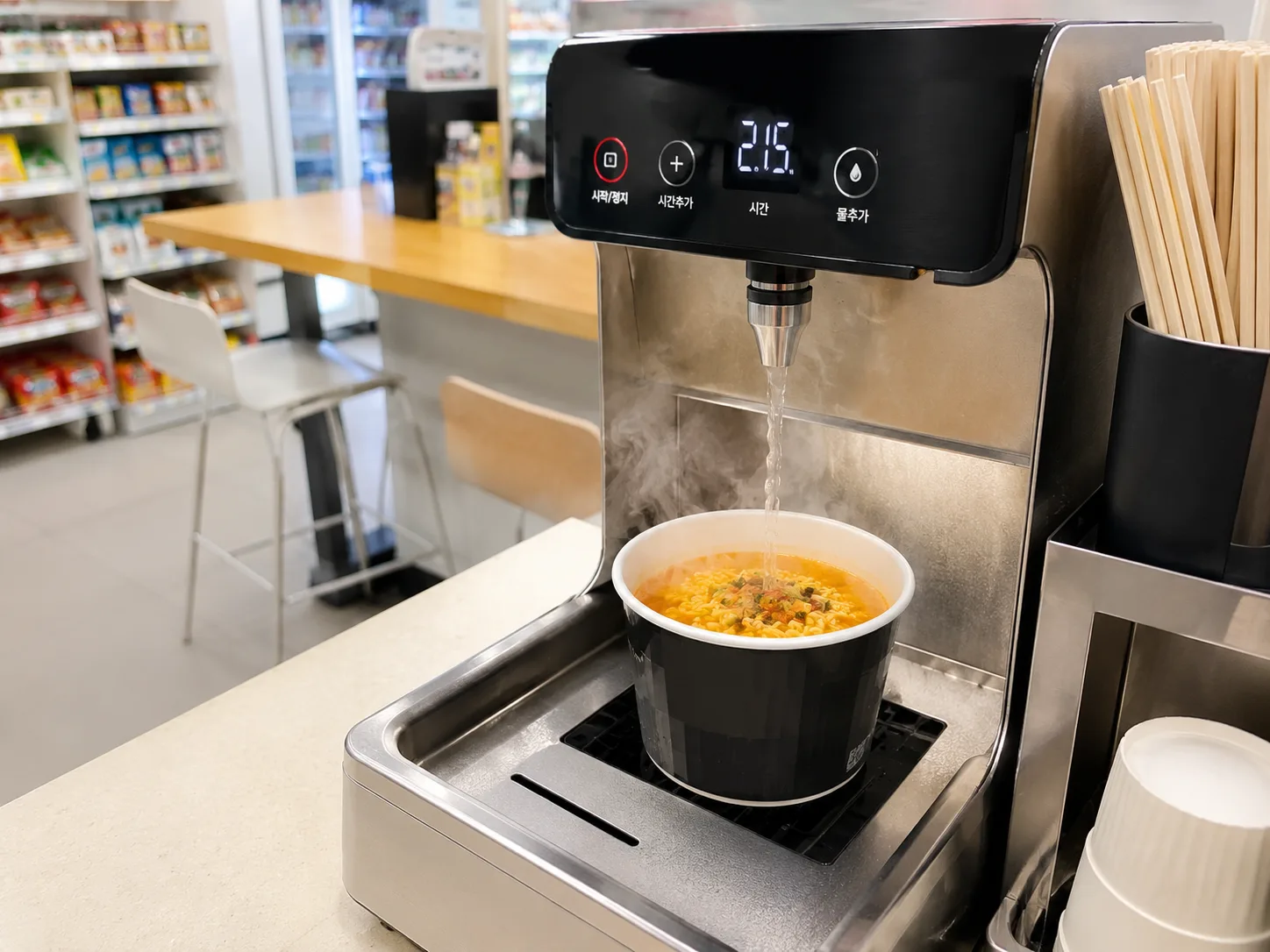
Convenience-Store Ramyeon Stations
Buy a pack of ramyeon at the store, then use the self-service cooker to make and eat it on the spot.
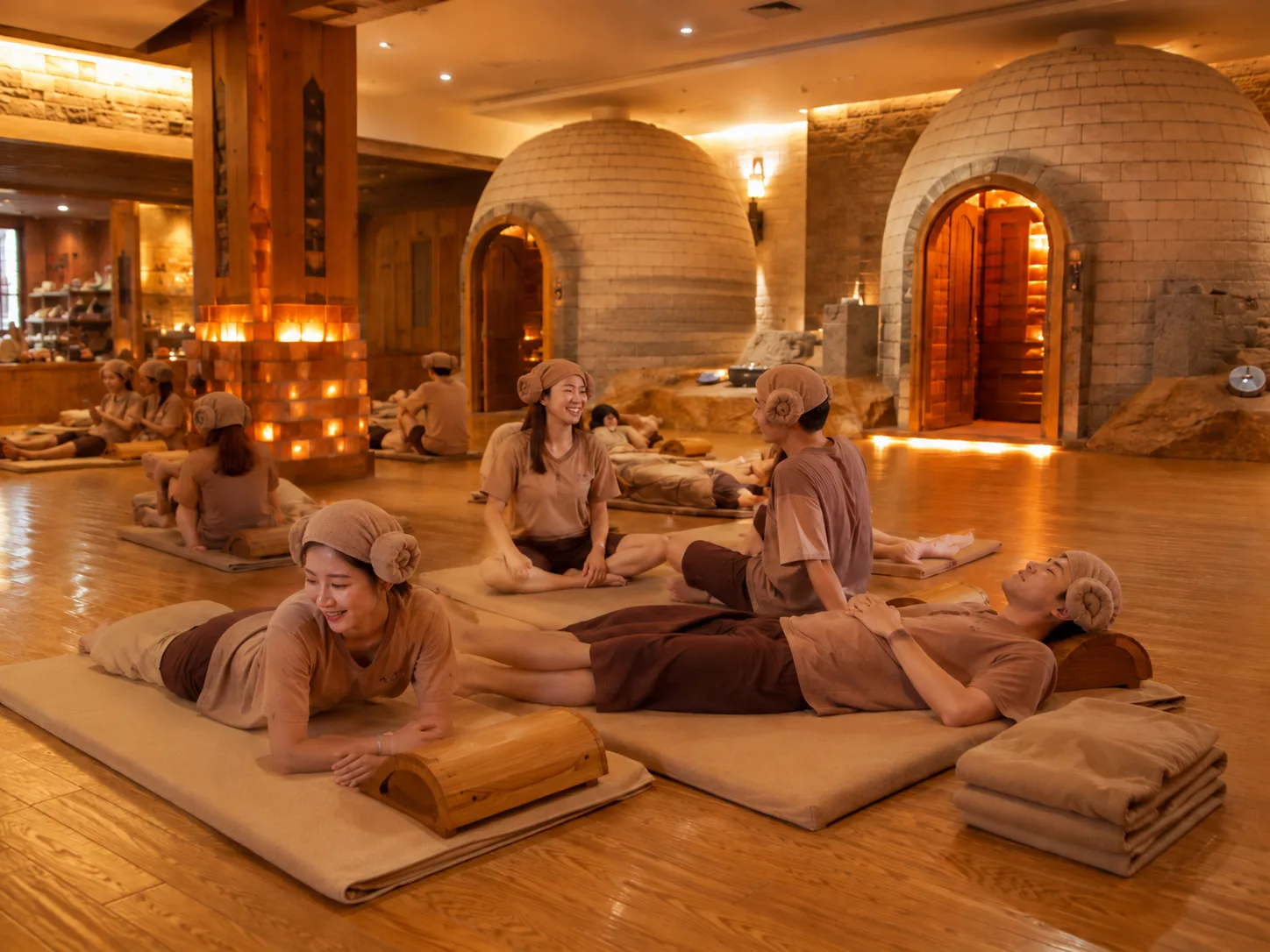
Jjimjilbang
A jjimjilbang brings baths, saunas, heated rooms, food, and lounge areas together in one Korean-style relaxation space.
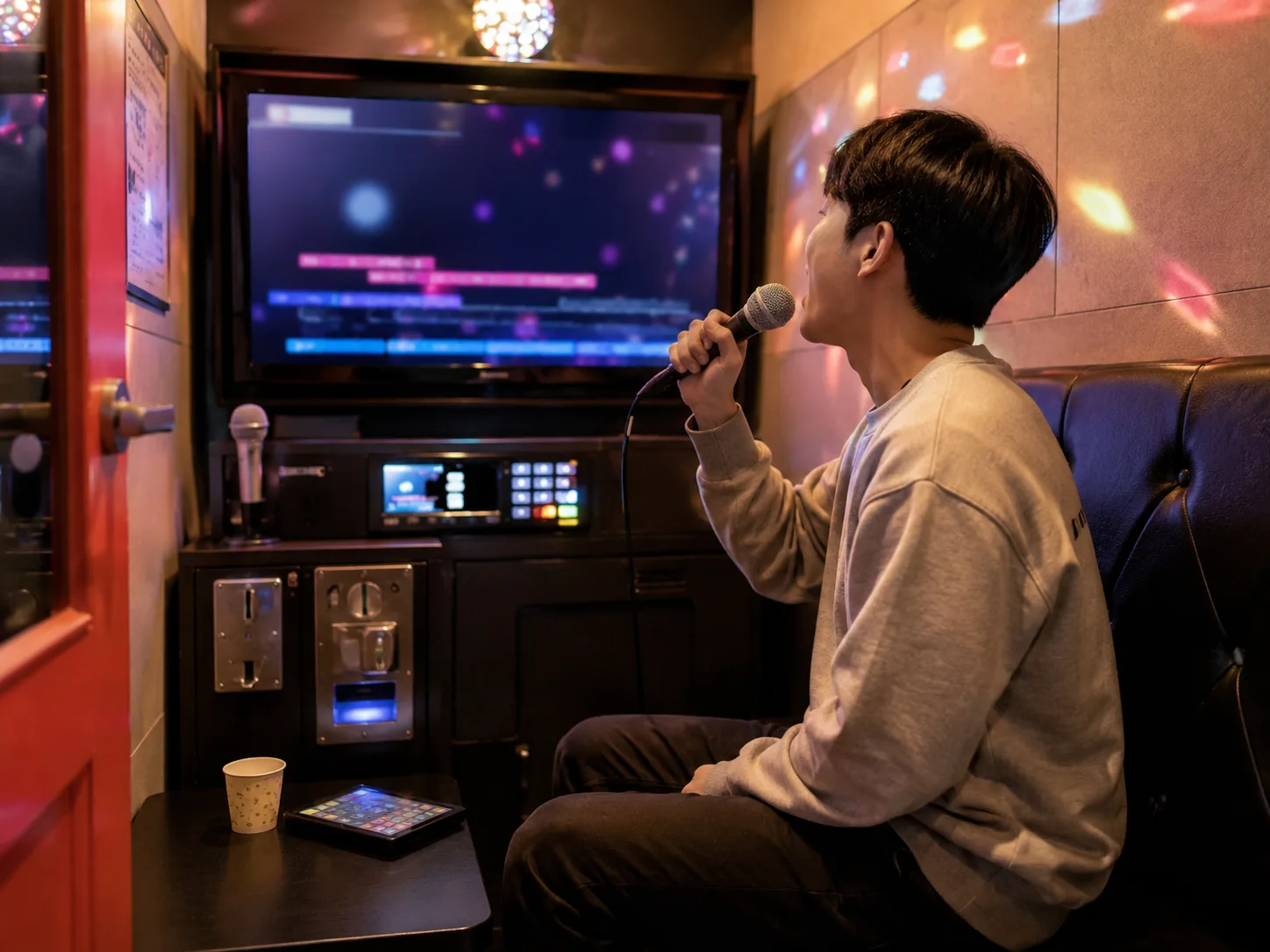
Coin Karaoke
Pay by the song and sing in a small private booth without booking a full-size karaoke room.
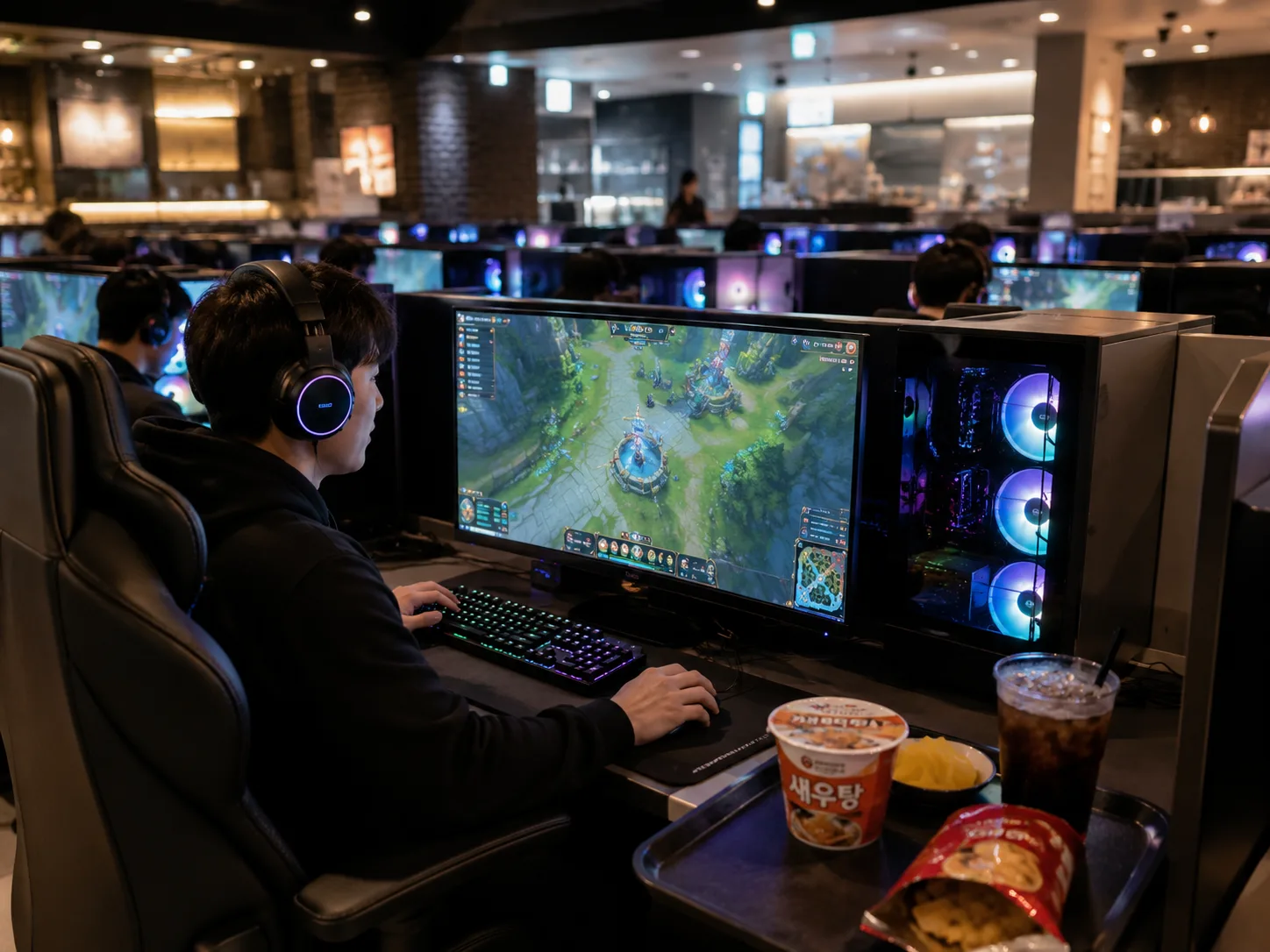
PC Bangs
Play games on a high-performance computer and order food and drinks without leaving your seat.
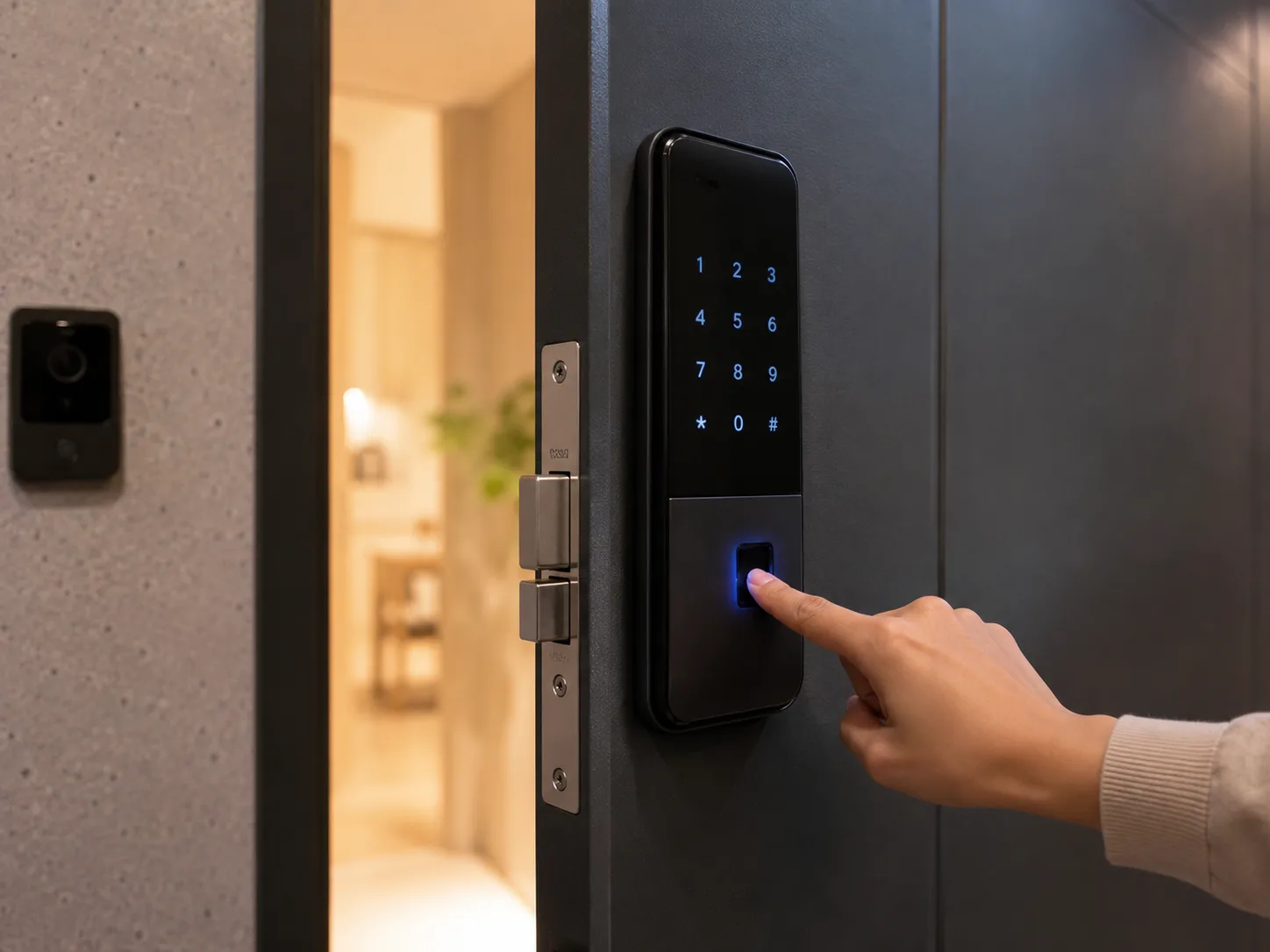
Digital Door Locks
Many Korean homes use a PIN, card, or fingerprint instead of a traditional key.
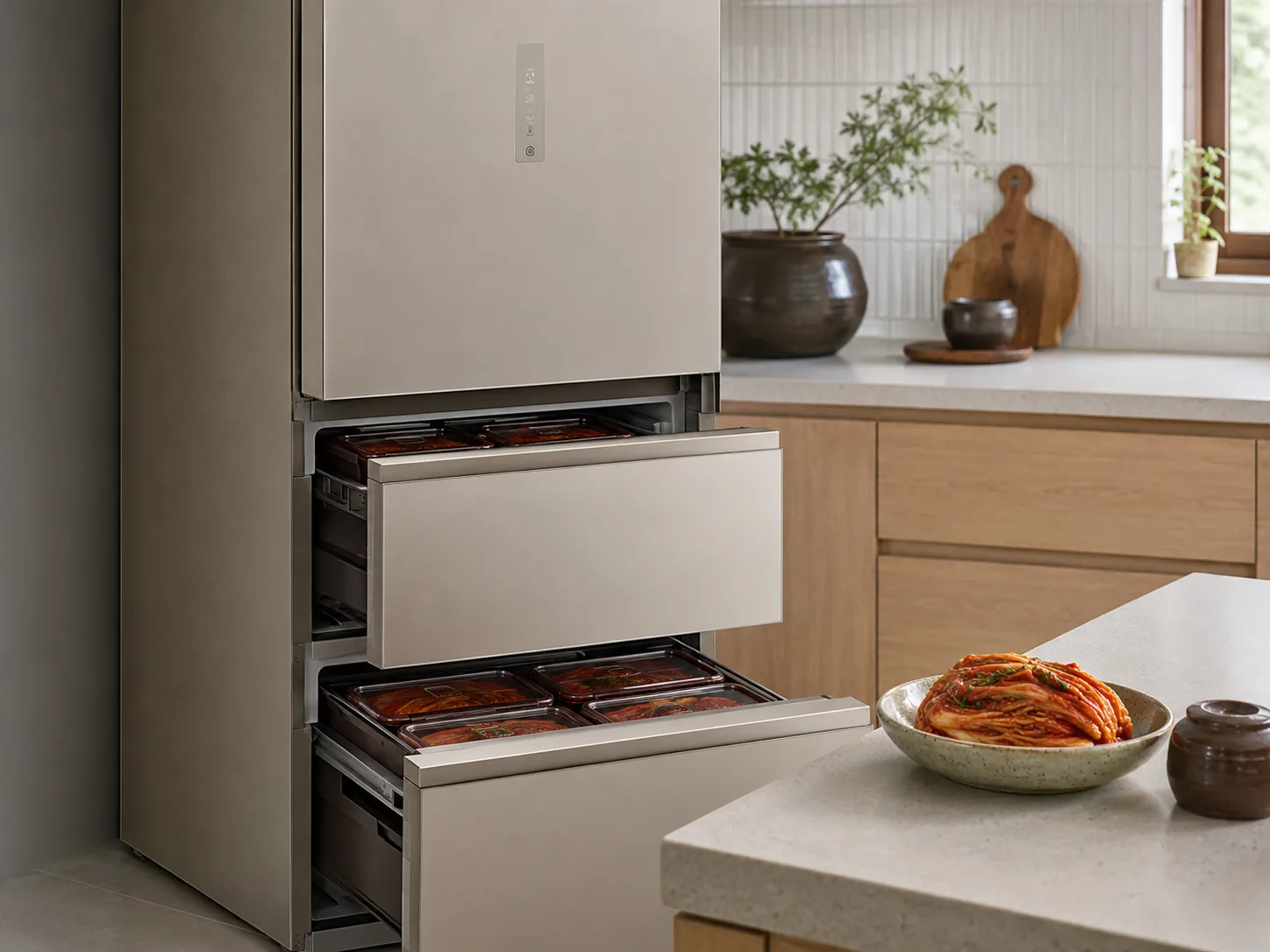
Kimchi Refrigerators
A dedicated refrigerator controls the temperature and storage conditions for different kinds and stages of kimchi.
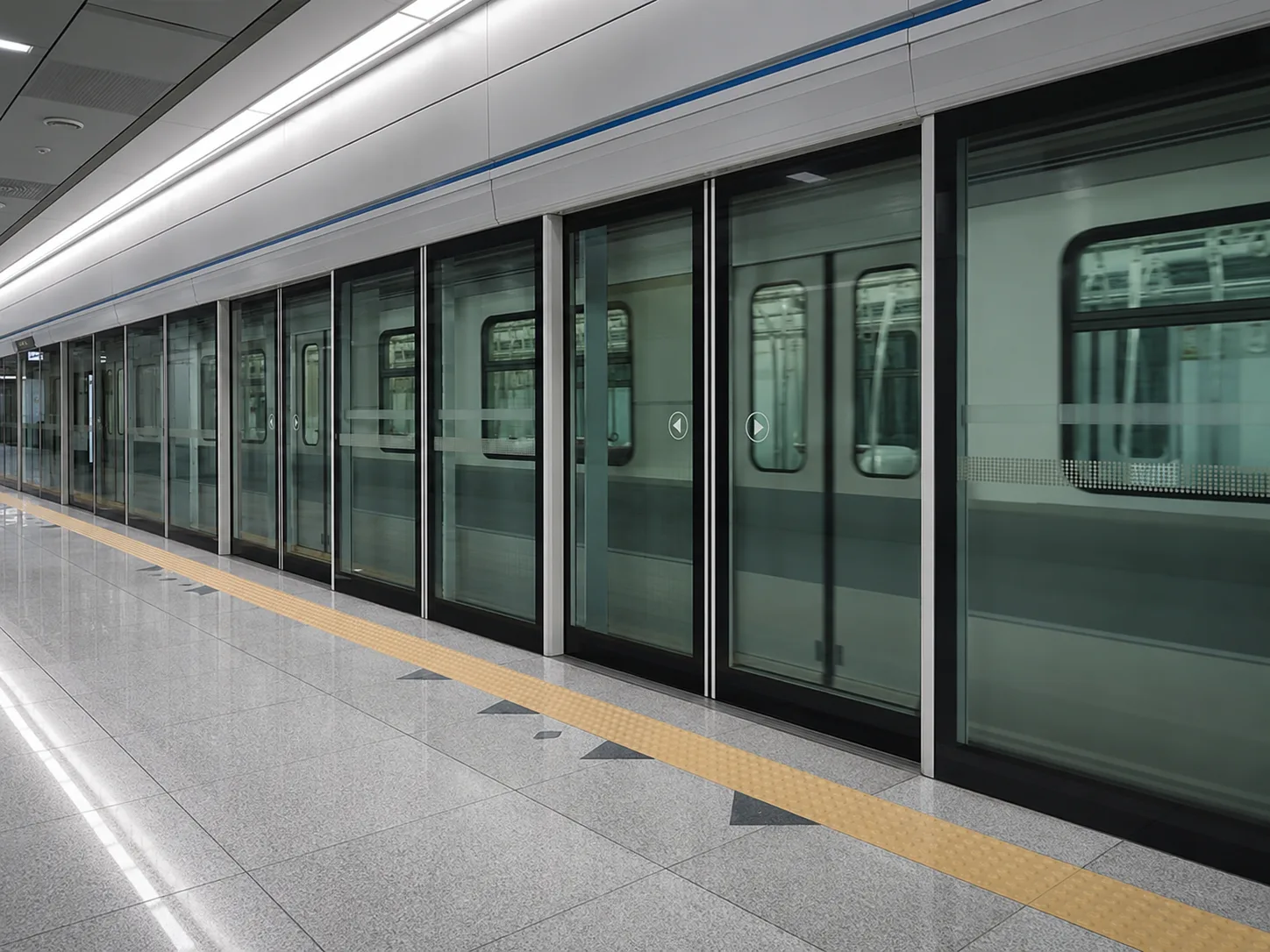
Subway Platform Screen Doors
These doors separate the platform from the tracks, helping prevent accidents while reducing noise, dust, and strong train winds.
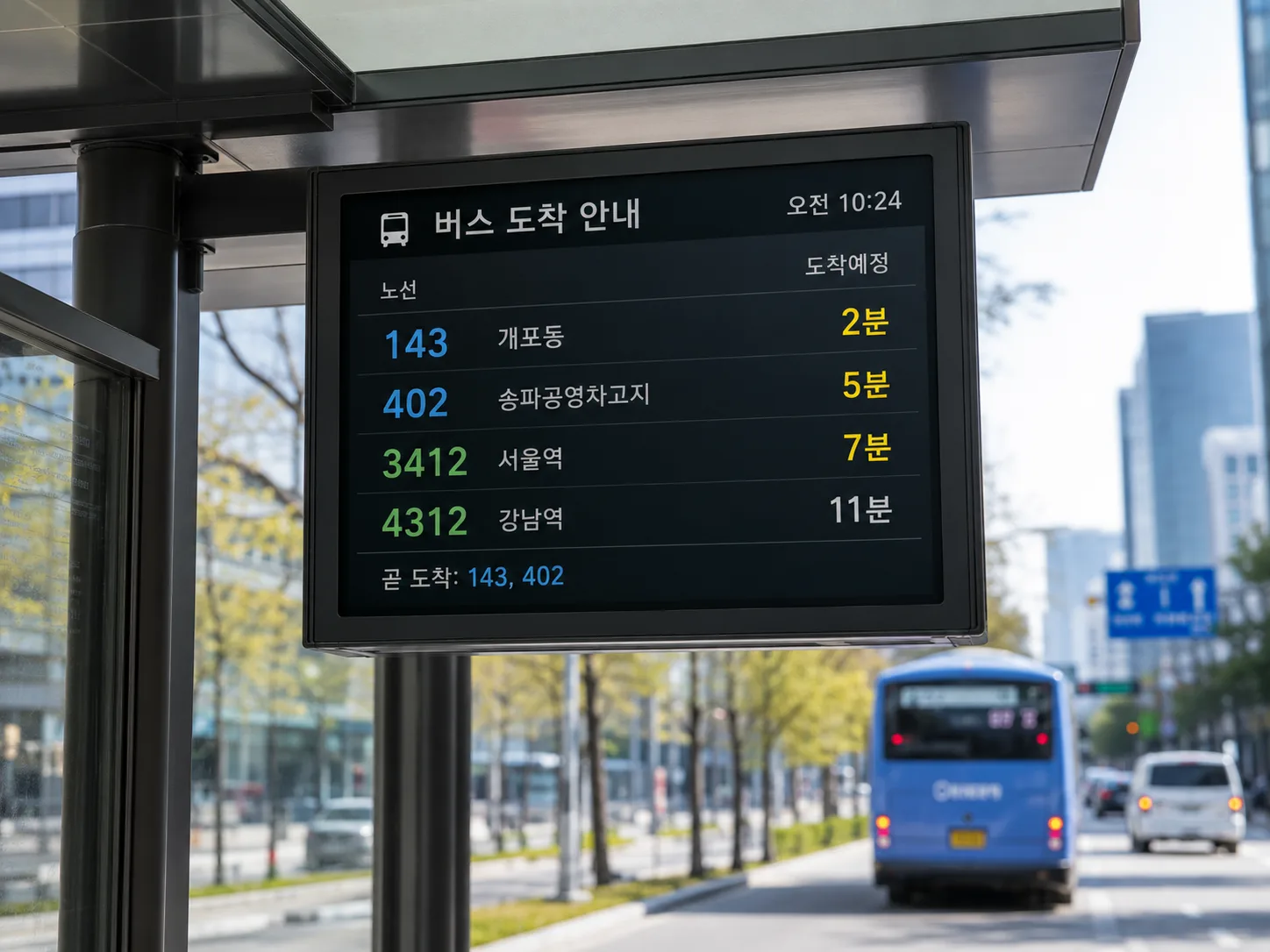
Real-Time Bus Arrival Displays
At many bus stops, a display shows in real time how many minutes remain before the next bus arrives.
Details
Digital Door Locks
Digital door locks fit naturally into Korea's apartment-centered housing and fast daily routines. With a PIN, card, or fingerprint, there is no key to carry or lose, and it is easy to give a family member or visitor a temporary code. In a country with many apartment buildings and frequent deliveries, repair visits, building services, and other visitors, access control is an everyday concern. Of course, exposed codes and dead batteries can be a worry, so people often change their PINs and check the emergency power option. Even so, the speed and convenience have made digital locks a standard part of many homes. They also work alongside building-entry codes, CCTV, security desks, and package storage, so the front-door lock often feels like one piece of a wider apartment access system. Their popularity shows how convenience and security have grown together in Korean apartment life.