
Korea, Explained
KOREA, EXPLAINED
The little things that make everyday life in Korea different.
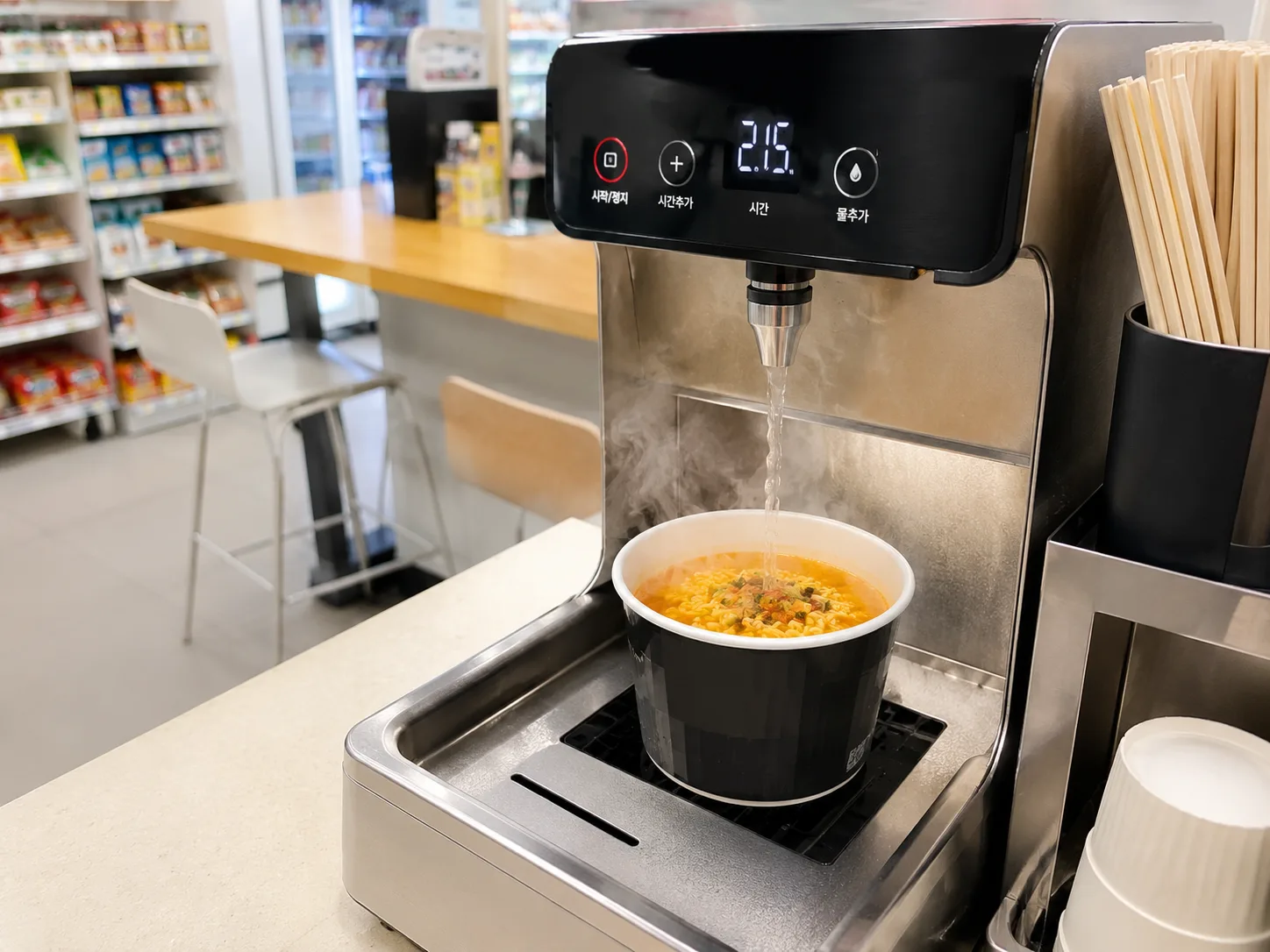
Convenience-Store Ramyeon Stations
Buy a pack of ramyeon at the store, then use the self-service cooker to make and eat it on the spot.

Jjimjilbang
A jjimjilbang brings baths, saunas, heated rooms, food, and lounge areas together in one Korean-style relaxation space.

Coin Karaoke
Pay by the song and sing in a small private booth without booking a full-size karaoke room.
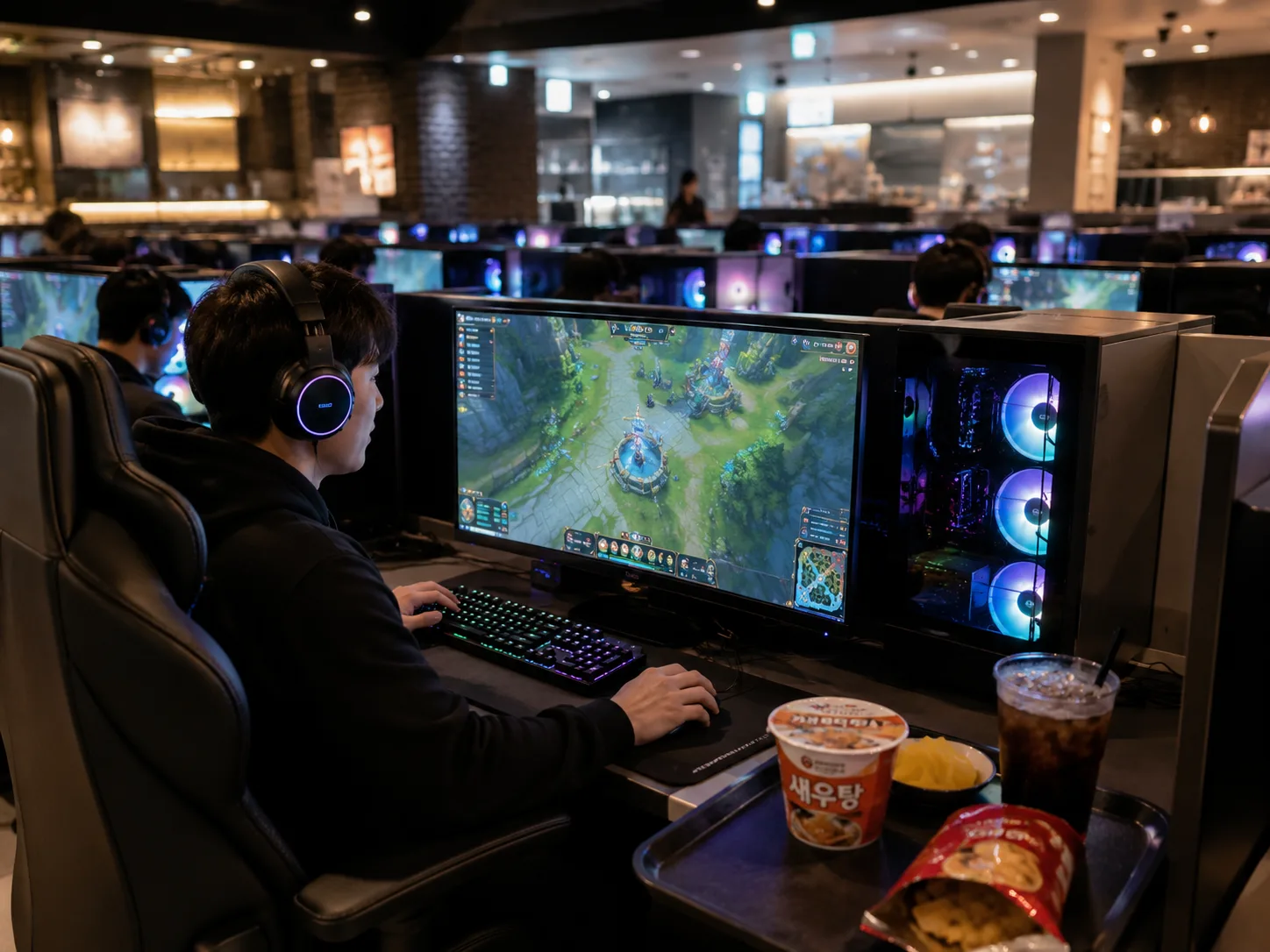
PC Bangs
Play games on a high-performance computer and order food and drinks without leaving your seat.
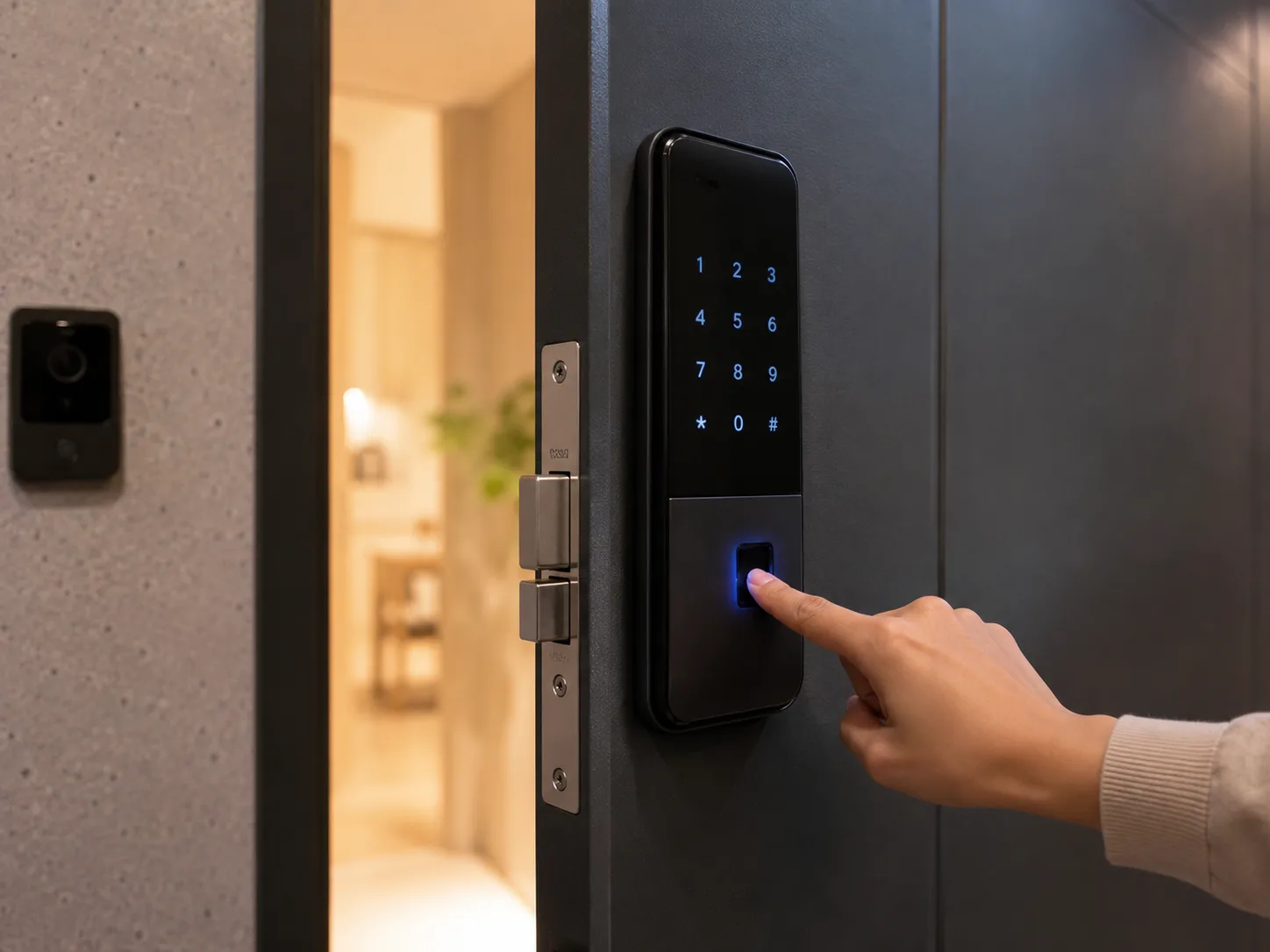
Digital Door Locks
Many Korean homes use a PIN, card, or fingerprint instead of a traditional key.
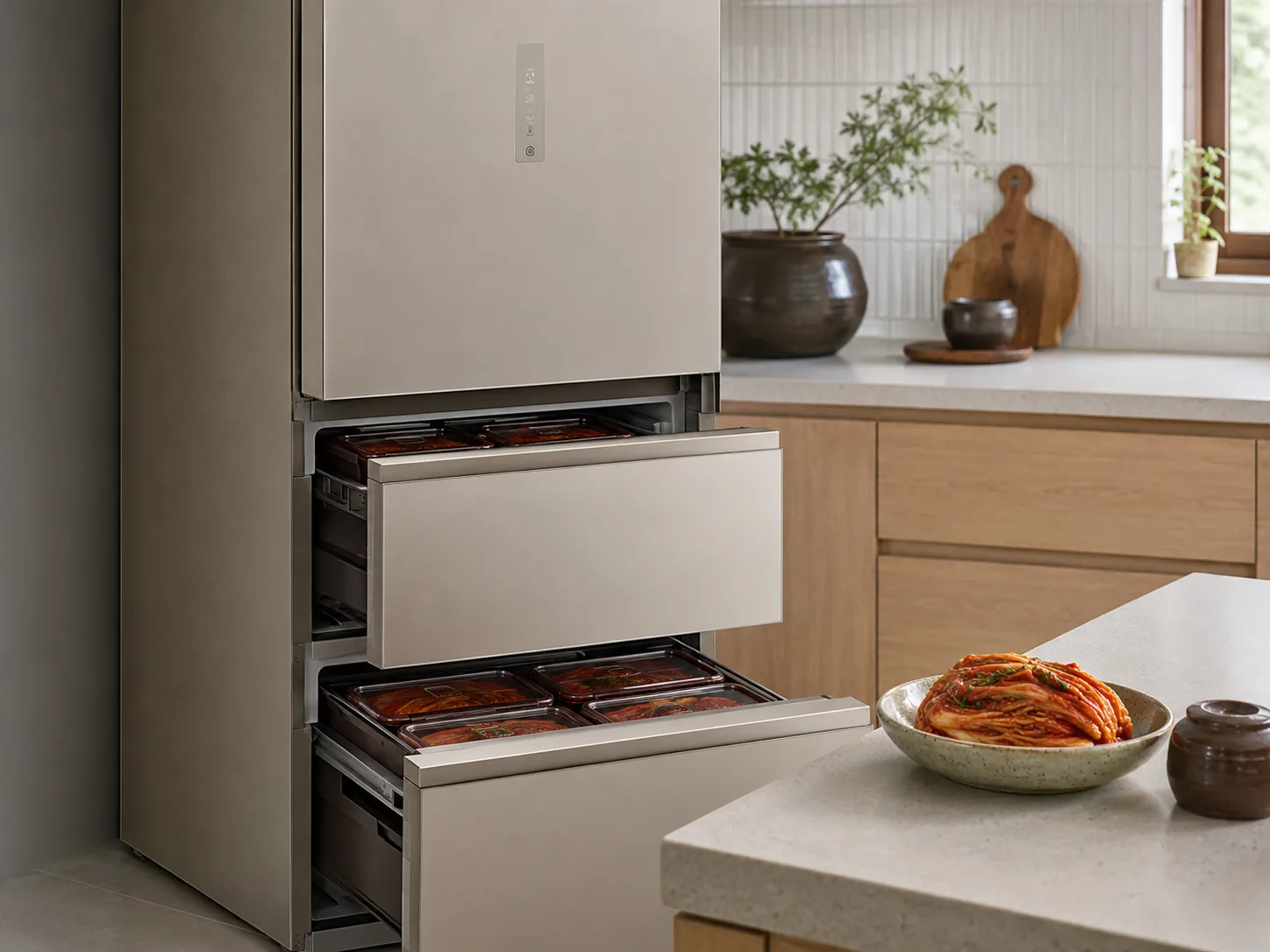
Kimchi Refrigerators
A dedicated refrigerator controls the temperature and storage conditions for different kinds and stages of kimchi.
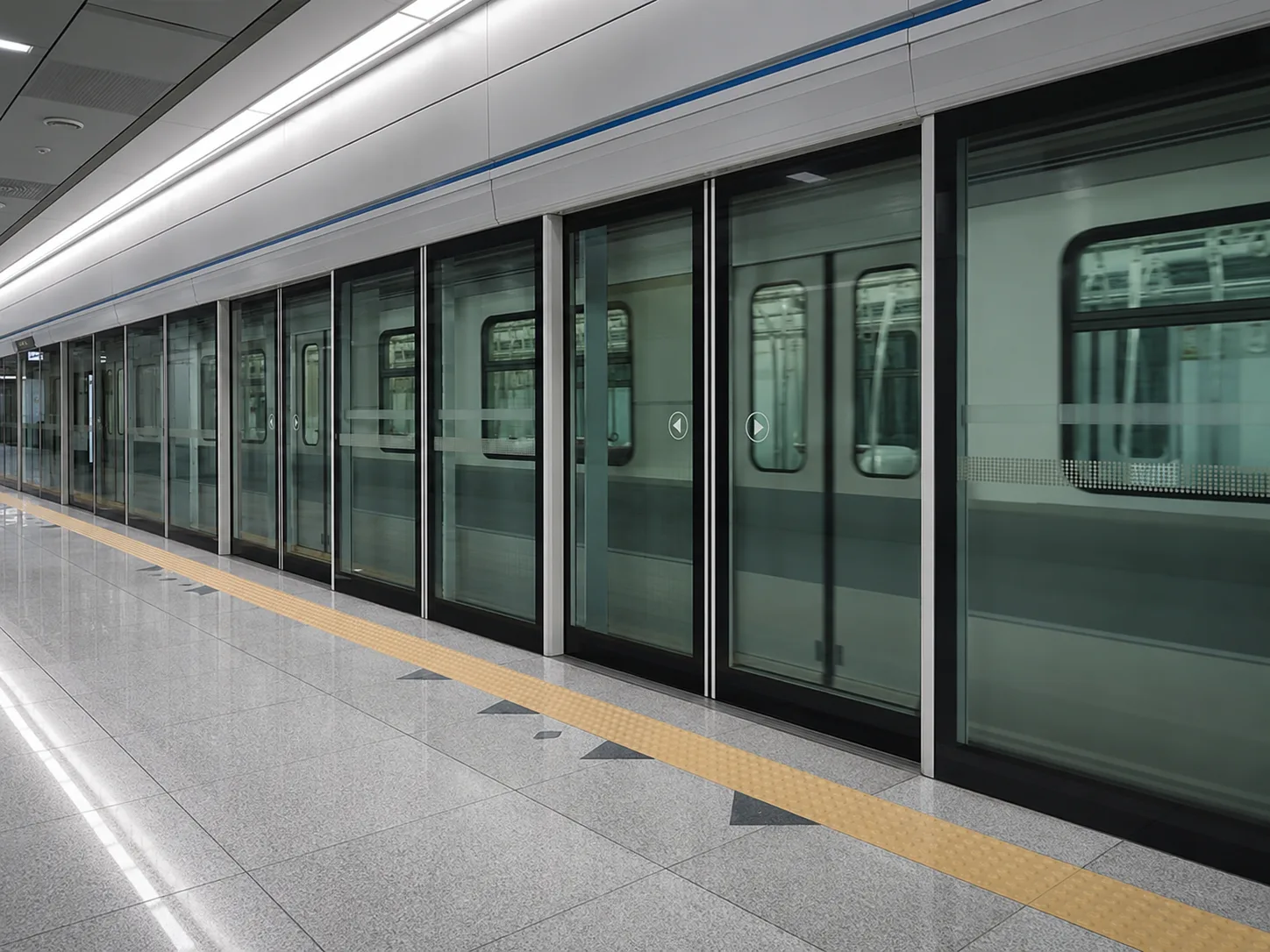
Subway Platform Screen Doors
These doors separate the platform from the tracks, helping prevent accidents while reducing noise, dust, and strong train winds.
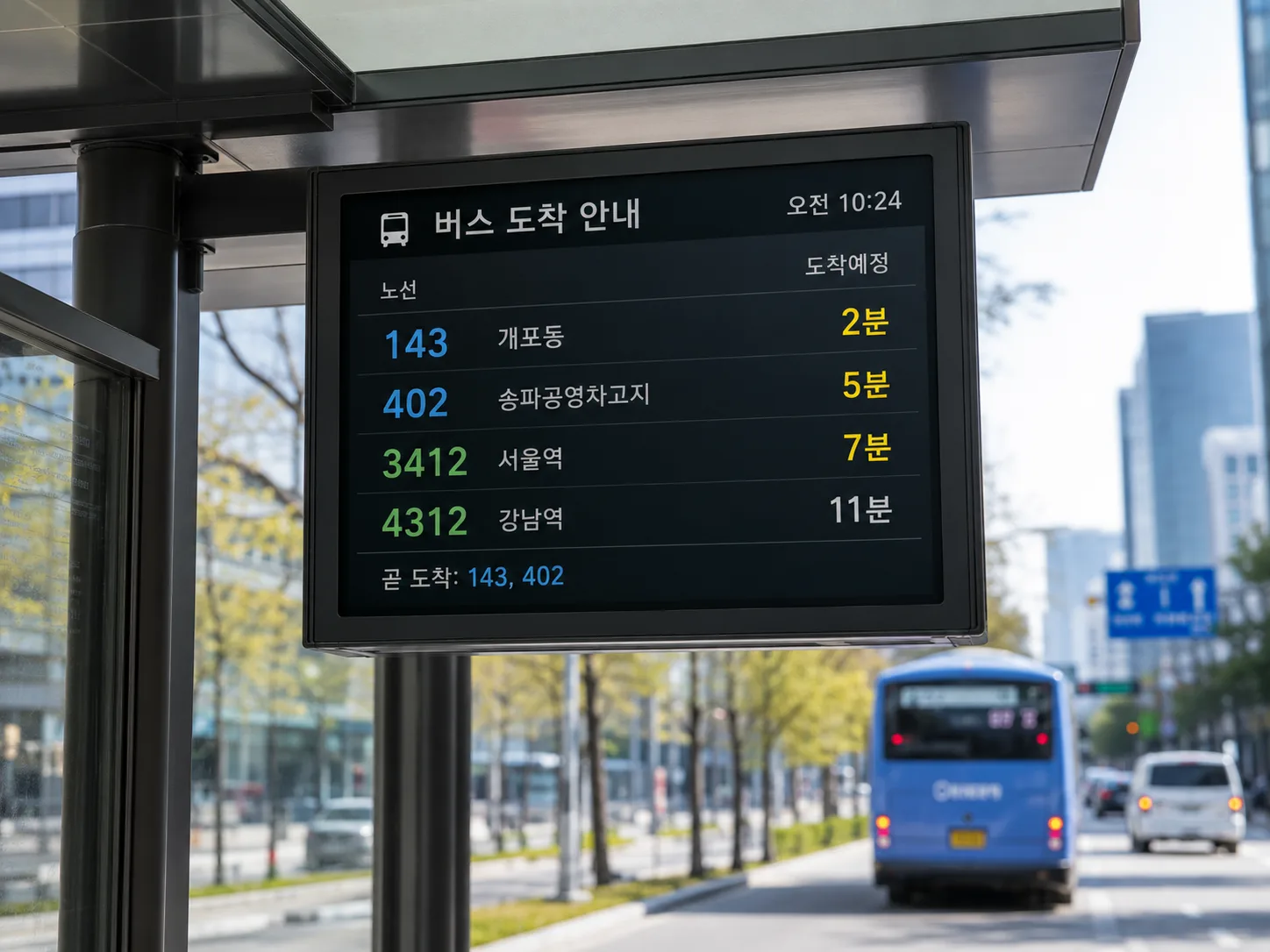
Real-Time Bus Arrival Displays
At many bus stops, a display shows in real time how many minutes remain before the next bus arrives.
Details
Kimchi Refrigerators
The kimchi refrigerator grew out of a very Korean problem: how to carry traditional kimjang storage into modern apartment life. Kimjang is the seasonal tradition of making large batches of kimchi for winter. In the past, kimchi was packed into onggi, or earthenware jars, and buried in the ground or kept in a cool place to maintain a steady temperature. As apartments became common, yards and outdoor jar platforms disappeared, and a regular refrigerator was not ideal for managing strong aromas, fermentation speed, and large batches. Kimchi refrigerators keep temperatures low and stable, separate foods into different compartments, and slow fermentation when needed. They are not simply extra refrigerators; they are appliances shaped by seasonal cooking, family size, holidays, and kimjang culture. Different families prefer different levels of ripeness, and napa cabbage kimchi, water kimchi, and kkakdugi (cubed radish kimchi) do not all need exactly the same conditions. Multiple compartments and settings show how carefully many Korean households manage flavor and fermentation.