
Korea, Explained
KOREA, EXPLAINED
The little things that make everyday life in Korea different.
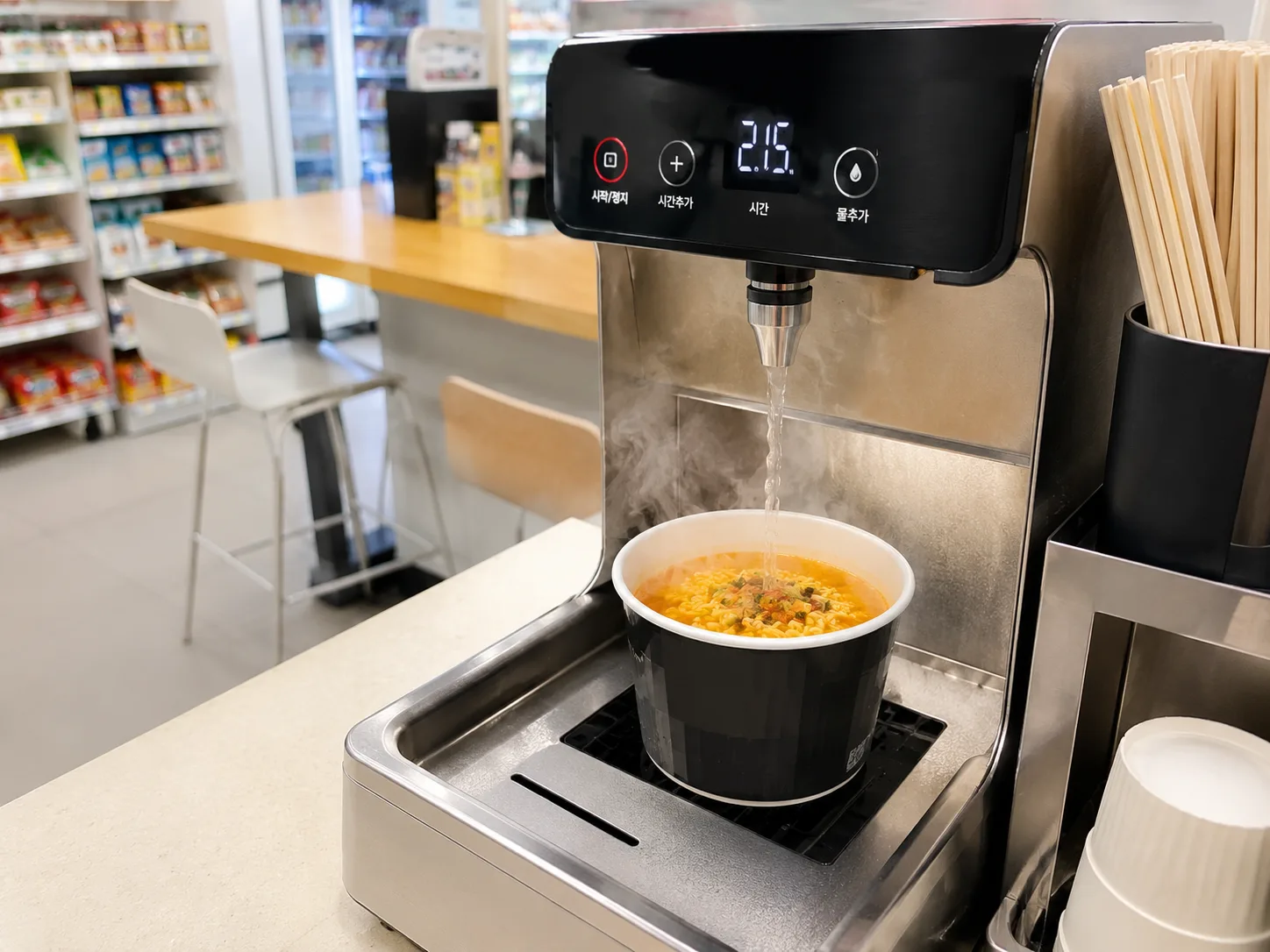
Convenience-Store Ramyeon Stations
Buy a pack of ramyeon at the store, then use the self-service cooker to make and eat it on the spot.
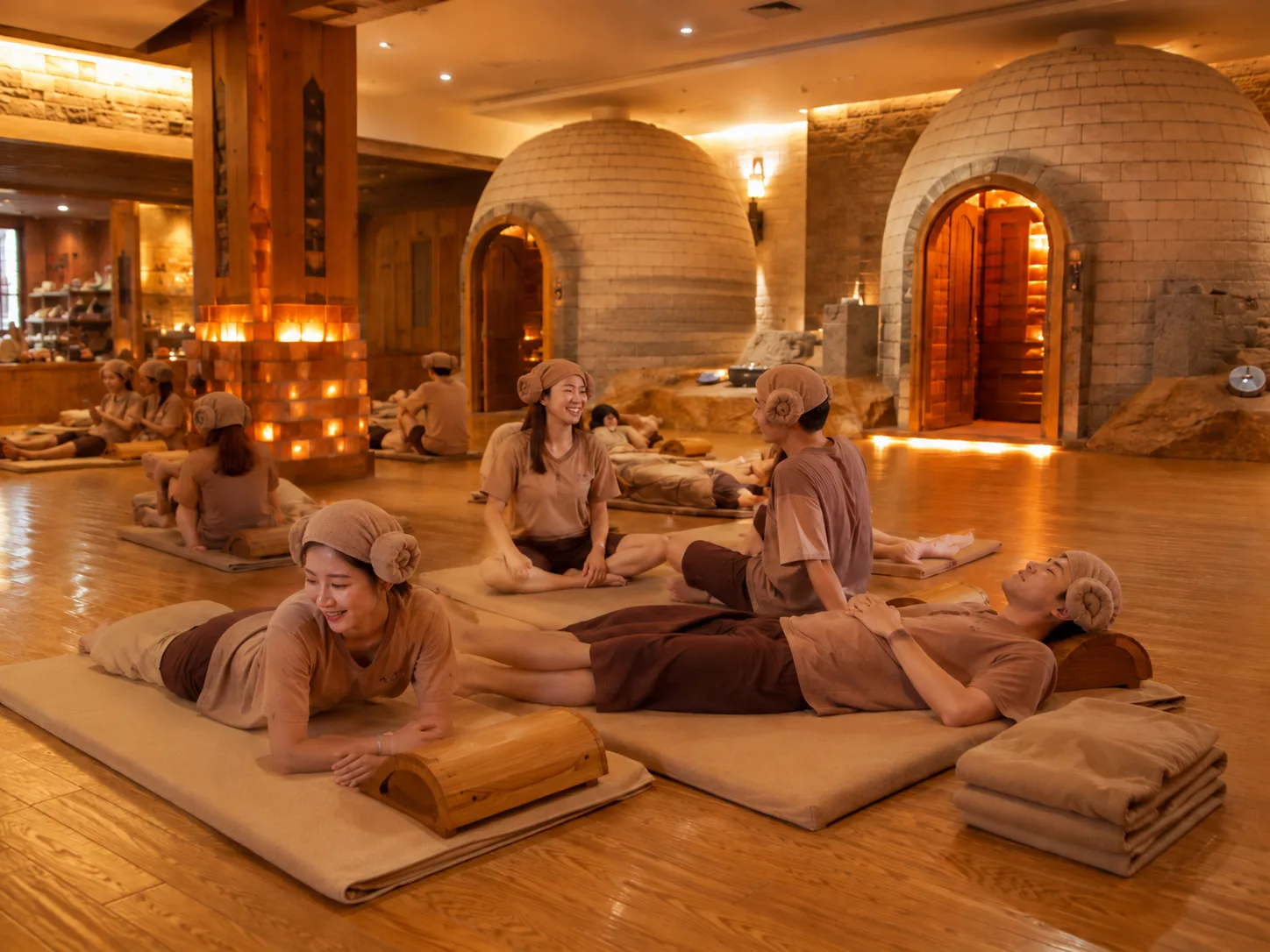
Jjimjilbang
A jjimjilbang brings baths, saunas, heated rooms, food, and lounge areas together in one Korean-style relaxation space.

Coin Karaoke
Pay by the song and sing in a small private booth without booking a full-size karaoke room.
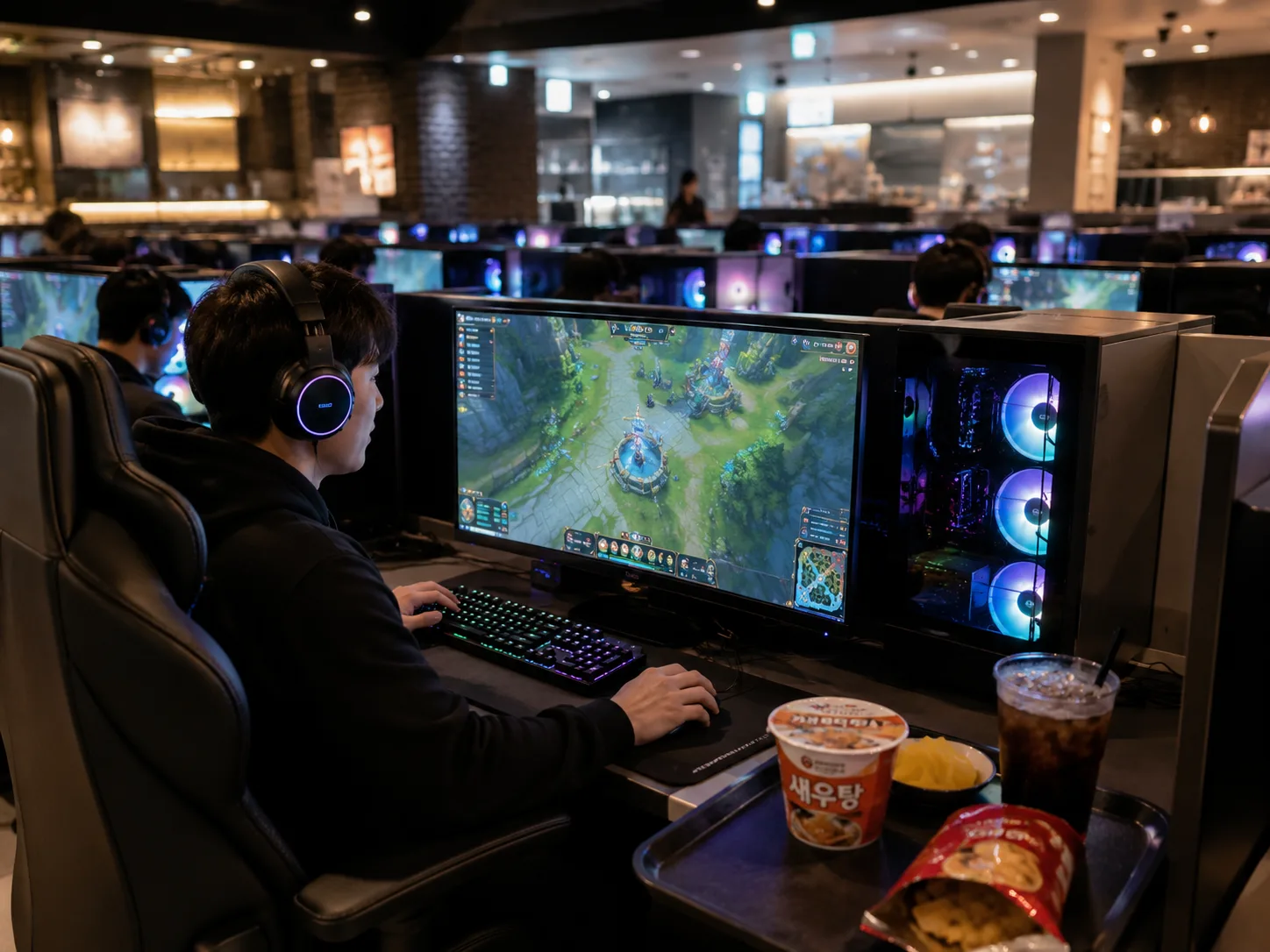
PC Bangs
Play games on a high-performance computer and order food and drinks without leaving your seat.
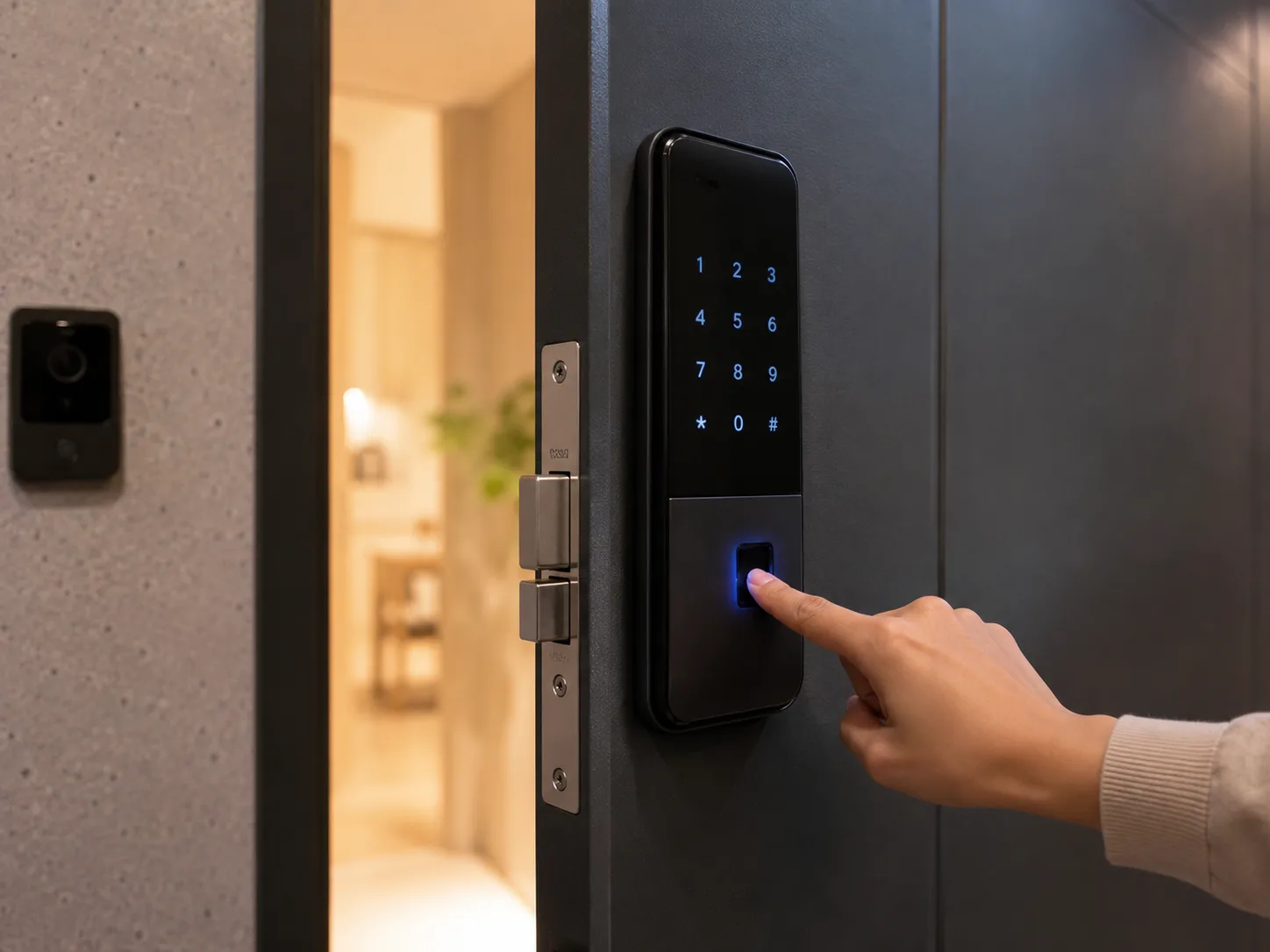
Digital Door Locks
Many Korean homes use a PIN, card, or fingerprint instead of a traditional key.
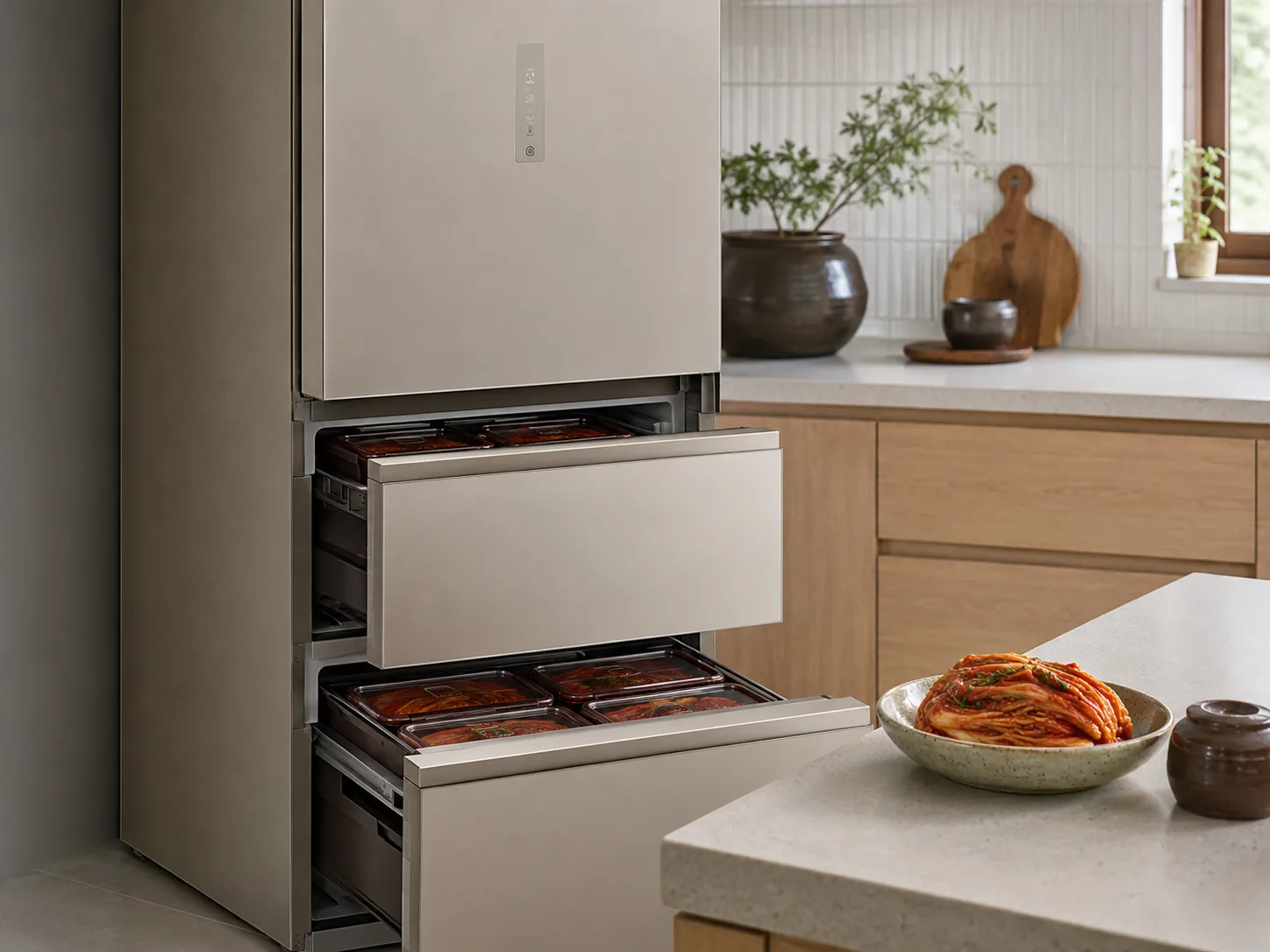
Kimchi Refrigerators
A dedicated refrigerator controls the temperature and storage conditions for different kinds and stages of kimchi.
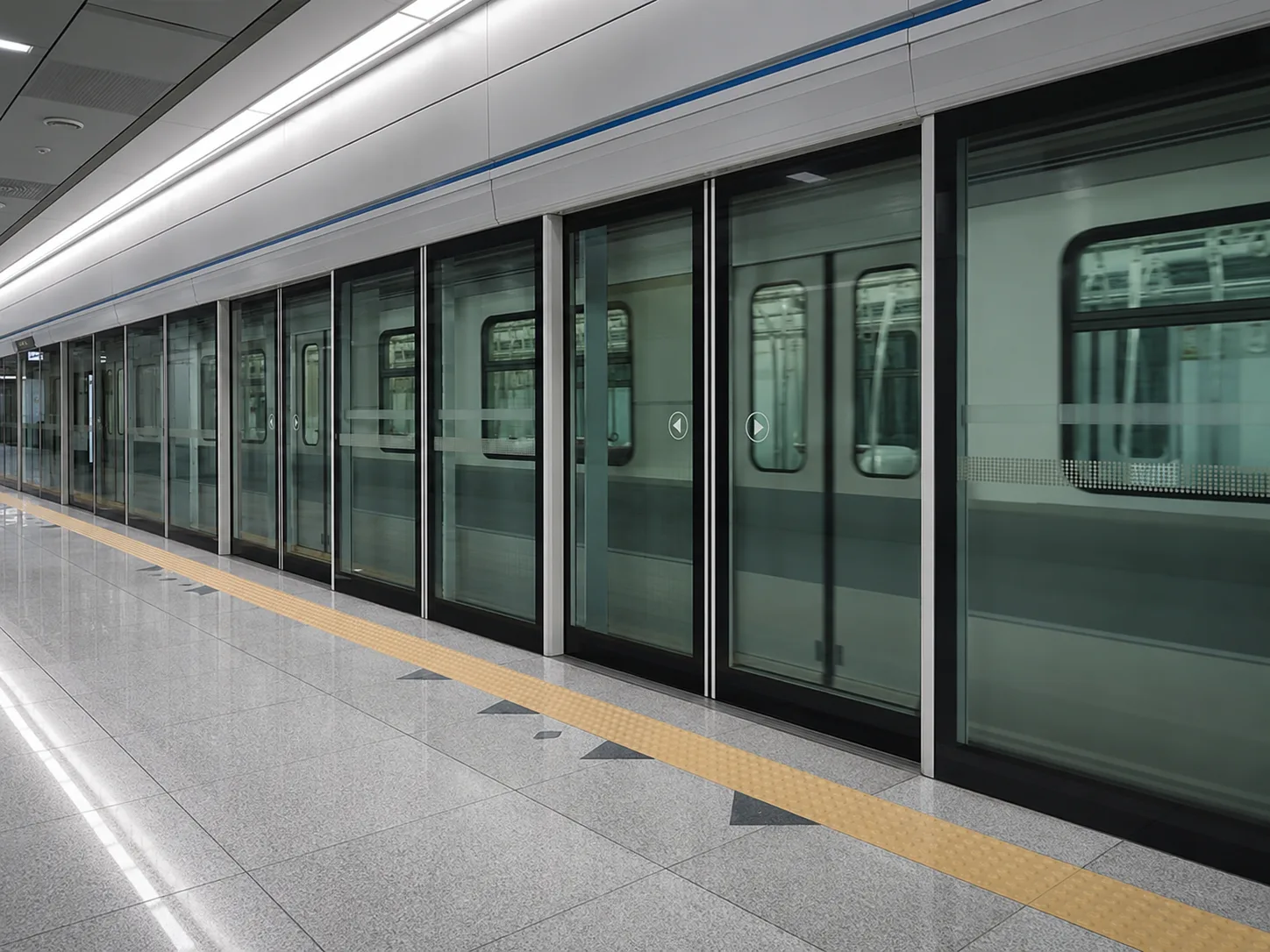
Subway Platform Screen Doors
These doors separate the platform from the tracks, helping prevent accidents while reducing noise, dust, and strong train winds.
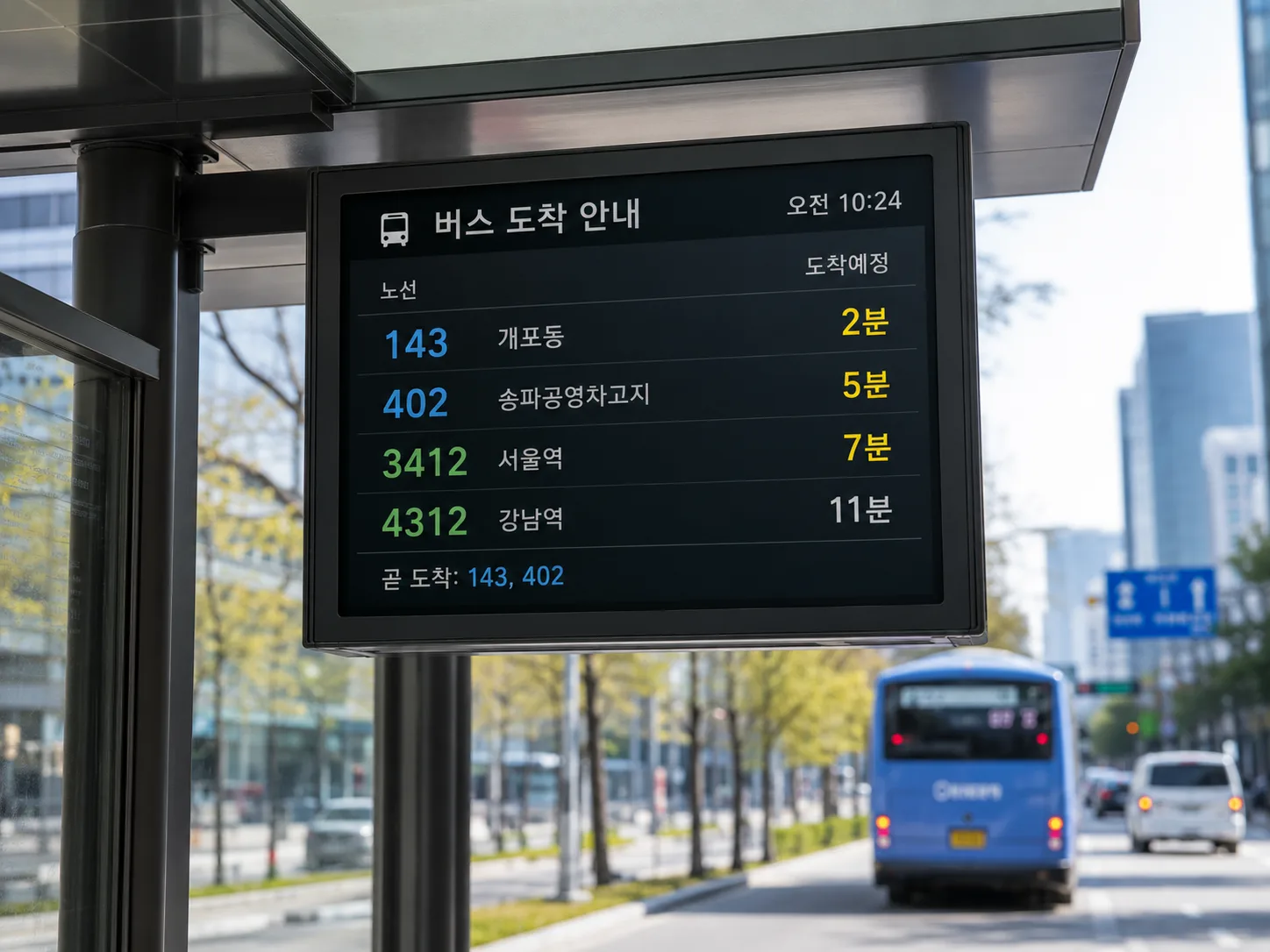
Real-Time Bus Arrival Displays
At many bus stops, a display shows in real time how many minutes remain before the next bus arrives.
Details
Subway Platform Screen Doors
Platform screen doors show how strongly subway safety has become part of public infrastructure in Korea. The barrier between the platform and the tracks helps prevent falls and accidental contact with trains while also reducing wind, dust, and noise. Korean subways carry large crowds, especially during rush hour, so even a small incident can quickly create serious danger and widespread delays. After a series of accidents raised public concern, transit agencies and local governments installed screen doors across the system. Today, they are so common that a station without them can feel unusual. The system also requires precision: train doors must stop in exactly the right place, and the platform equipment, maintenance, and operating systems all have to work together. A malfunction can delay service, which makes regular inspections and trained maintenance staff essential. To passengers, the doors may look like a simple glass wall. Behind them is a safety system working every time a train arrives.