
Korea, Explained
KOREA, EXPLAINED
The little things that make everyday life in Korea different.
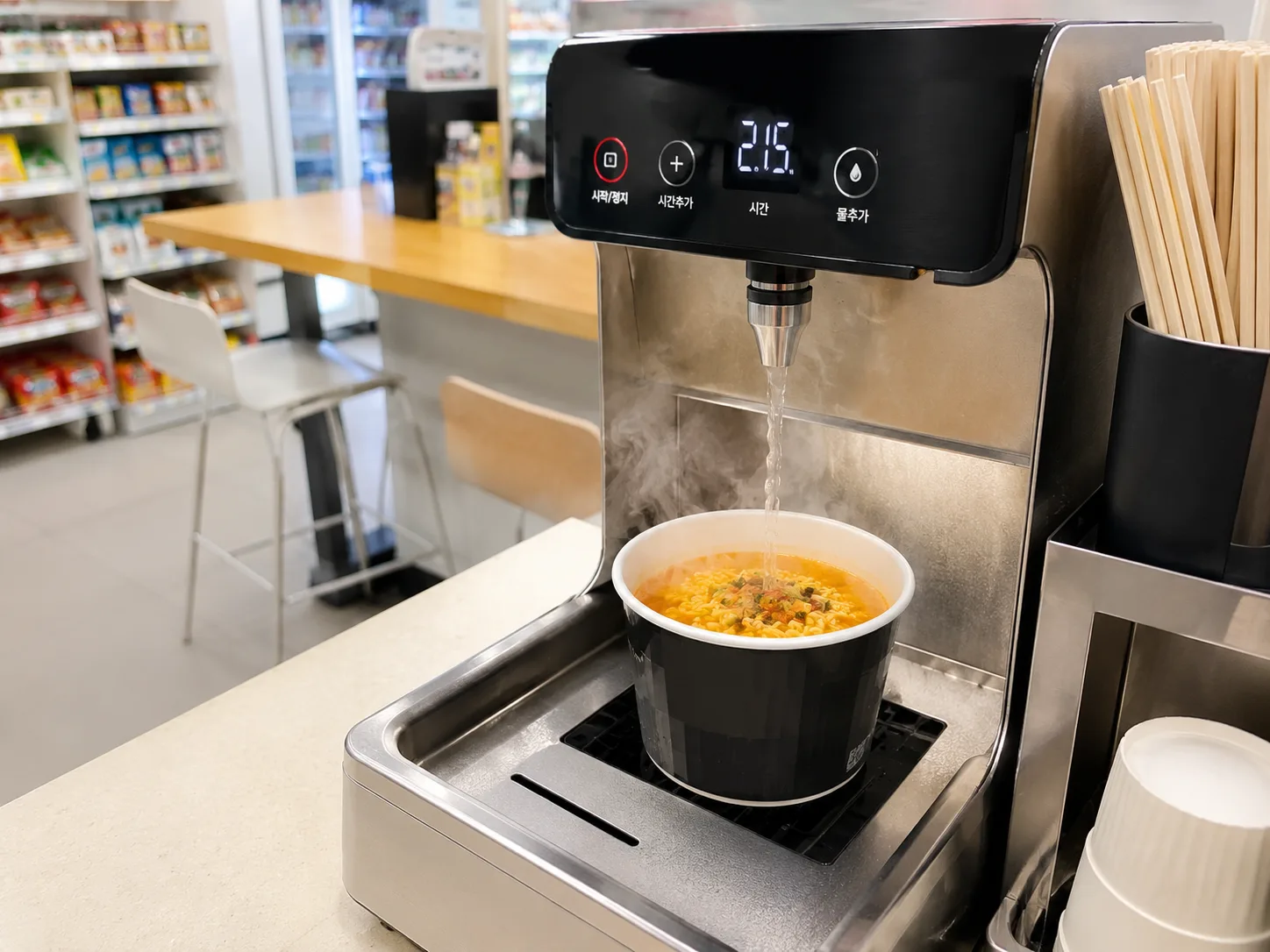
Convenience-Store Ramyeon Stations
Buy a pack of ramyeon at the store, then use the self-service cooker to make and eat it on the spot.
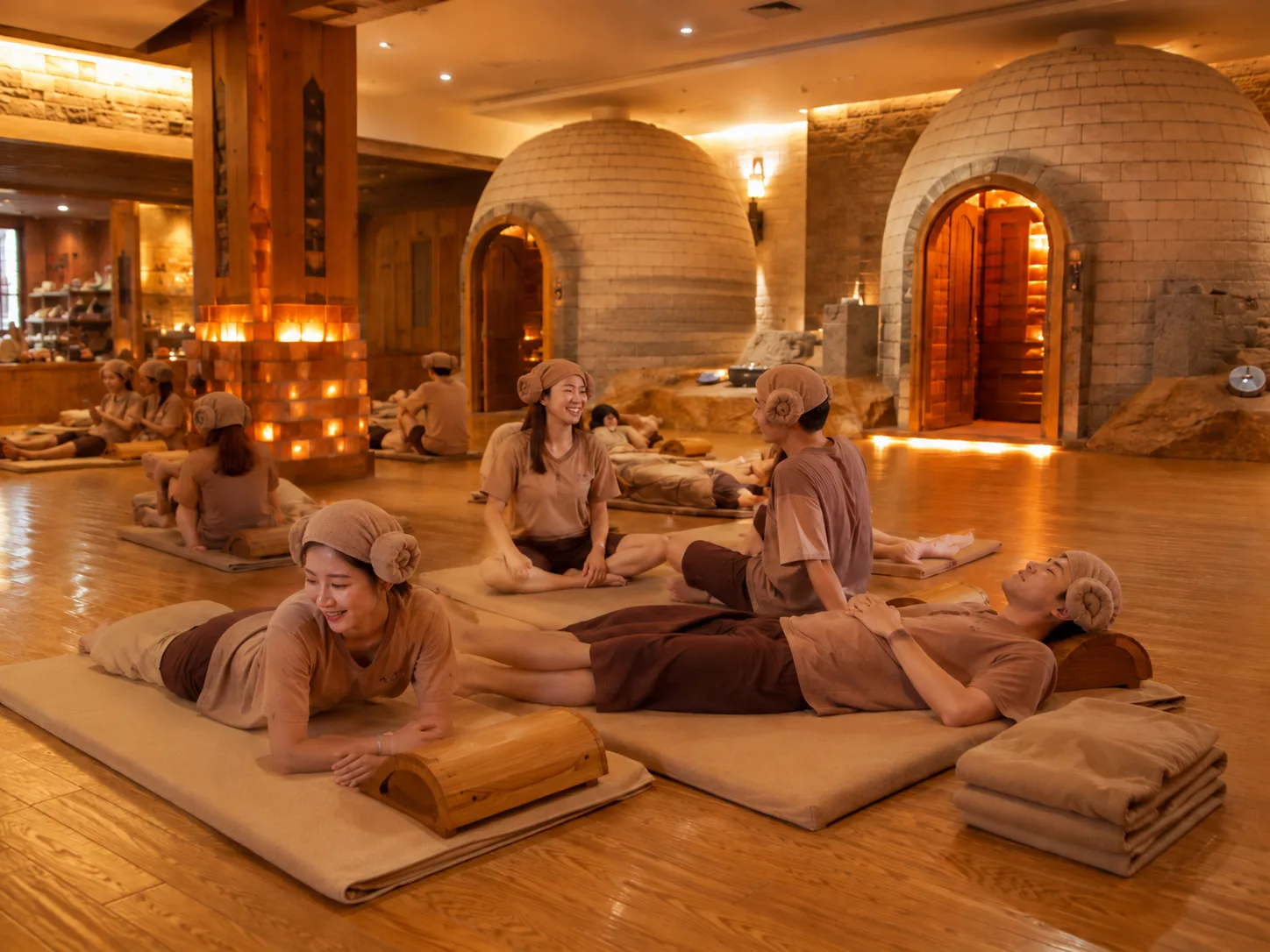
Jjimjilbang
A jjimjilbang brings baths, saunas, heated rooms, food, and lounge areas together in one Korean-style relaxation space.
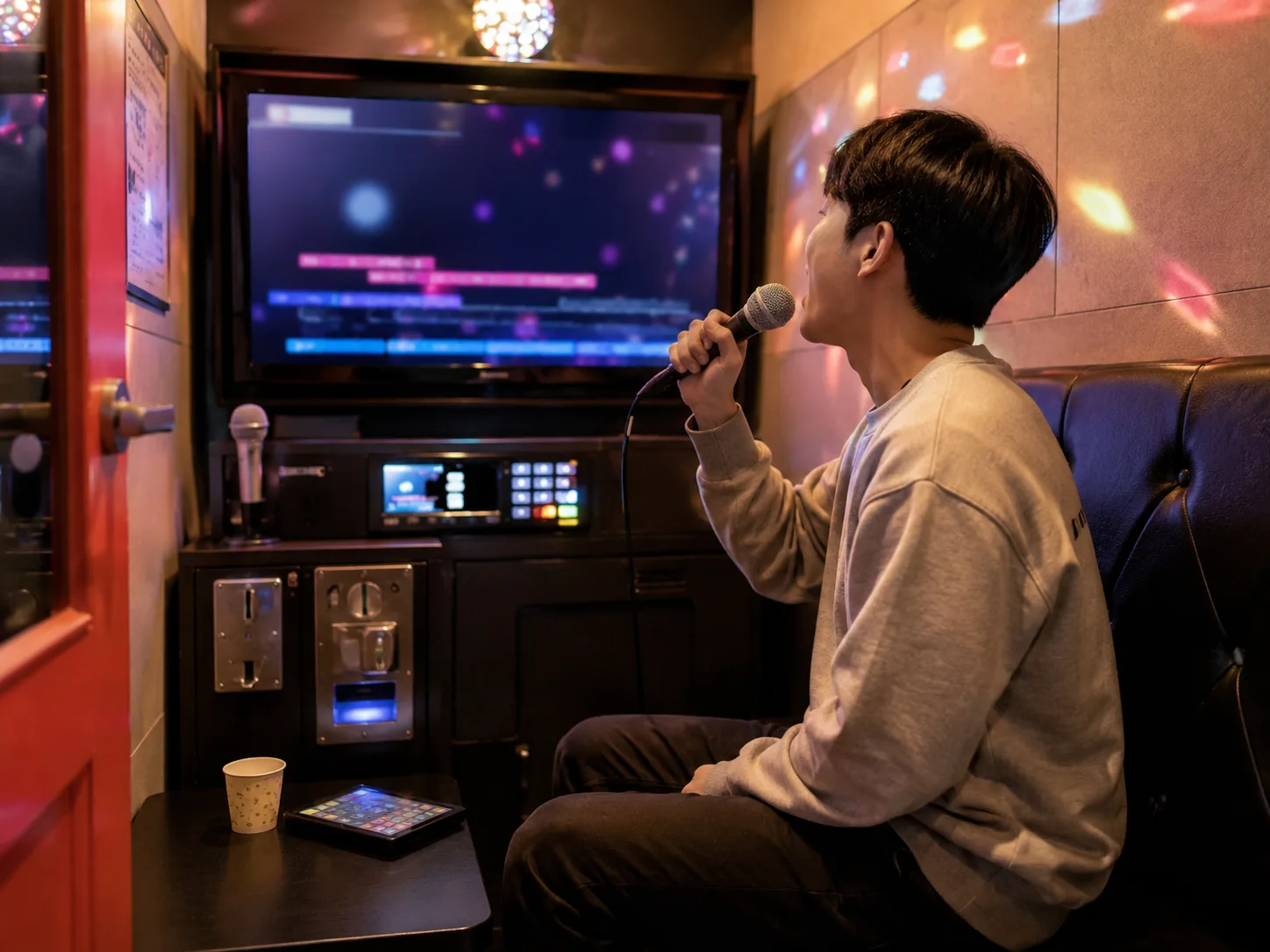
Coin Karaoke
Pay by the song and sing in a small private booth without booking a full-size karaoke room.
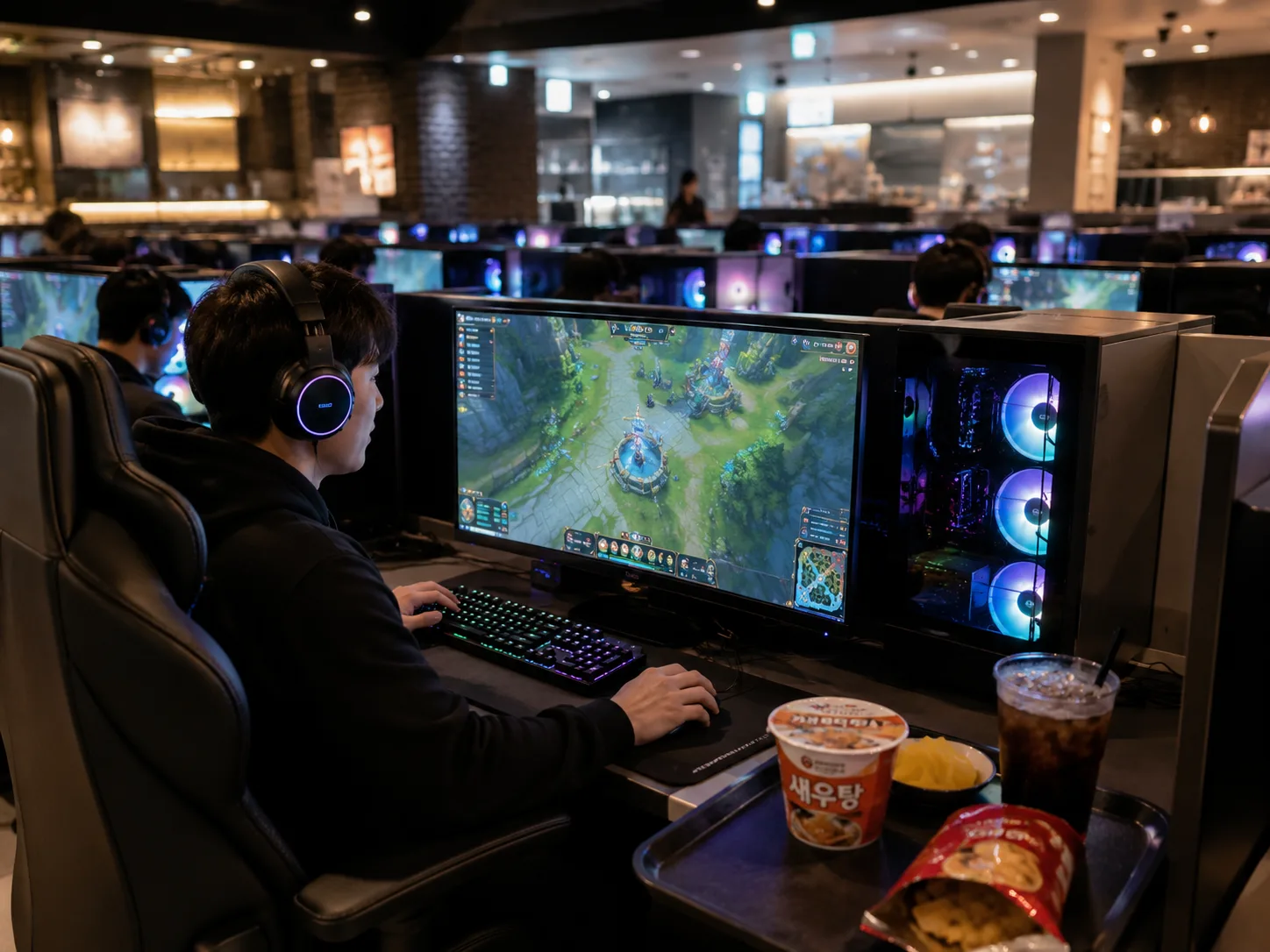
PC Bangs
Play games on a high-performance computer and order food and drinks without leaving your seat.
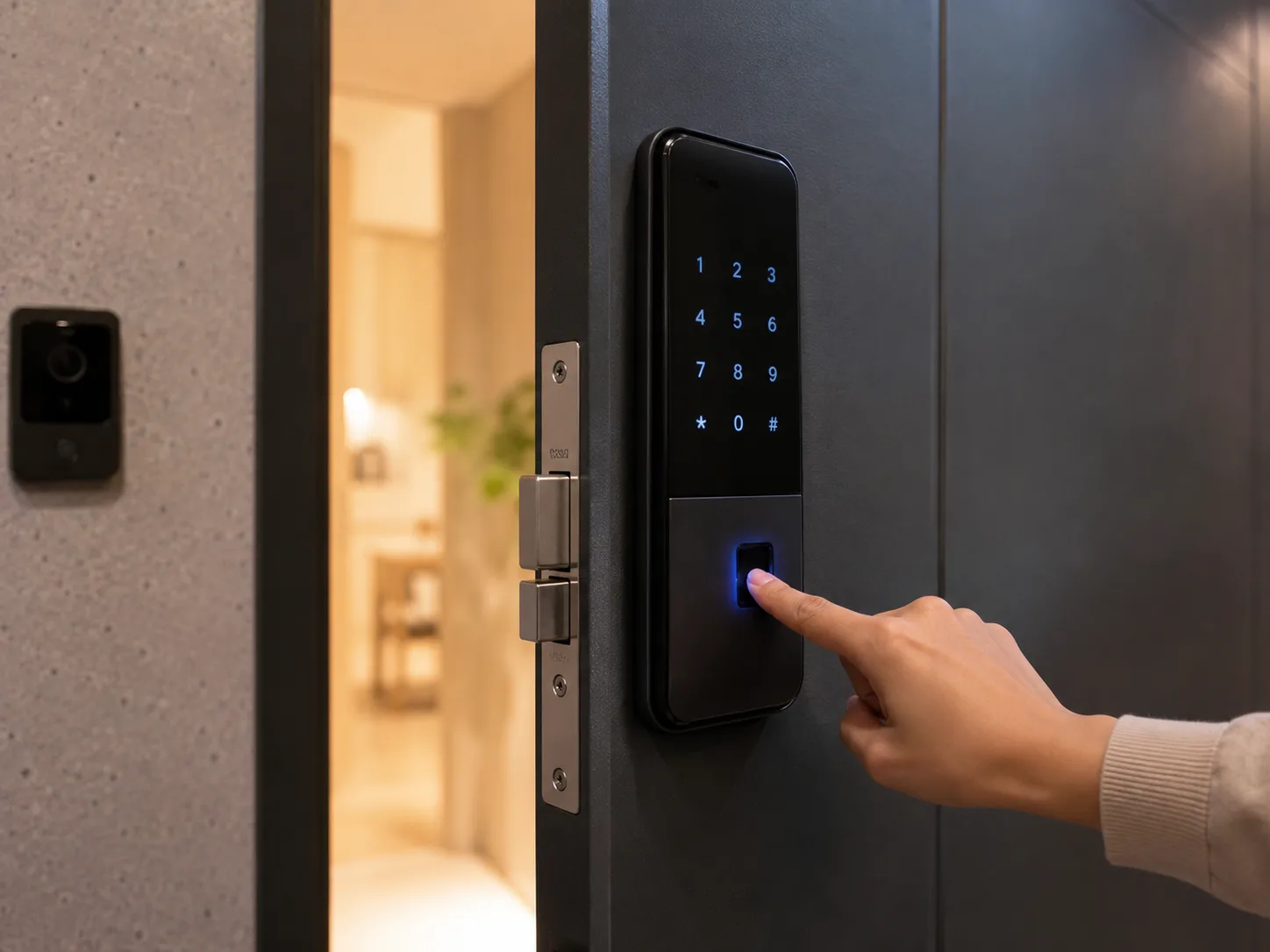
Digital Door Locks
Many Korean homes use a PIN, card, or fingerprint instead of a traditional key.
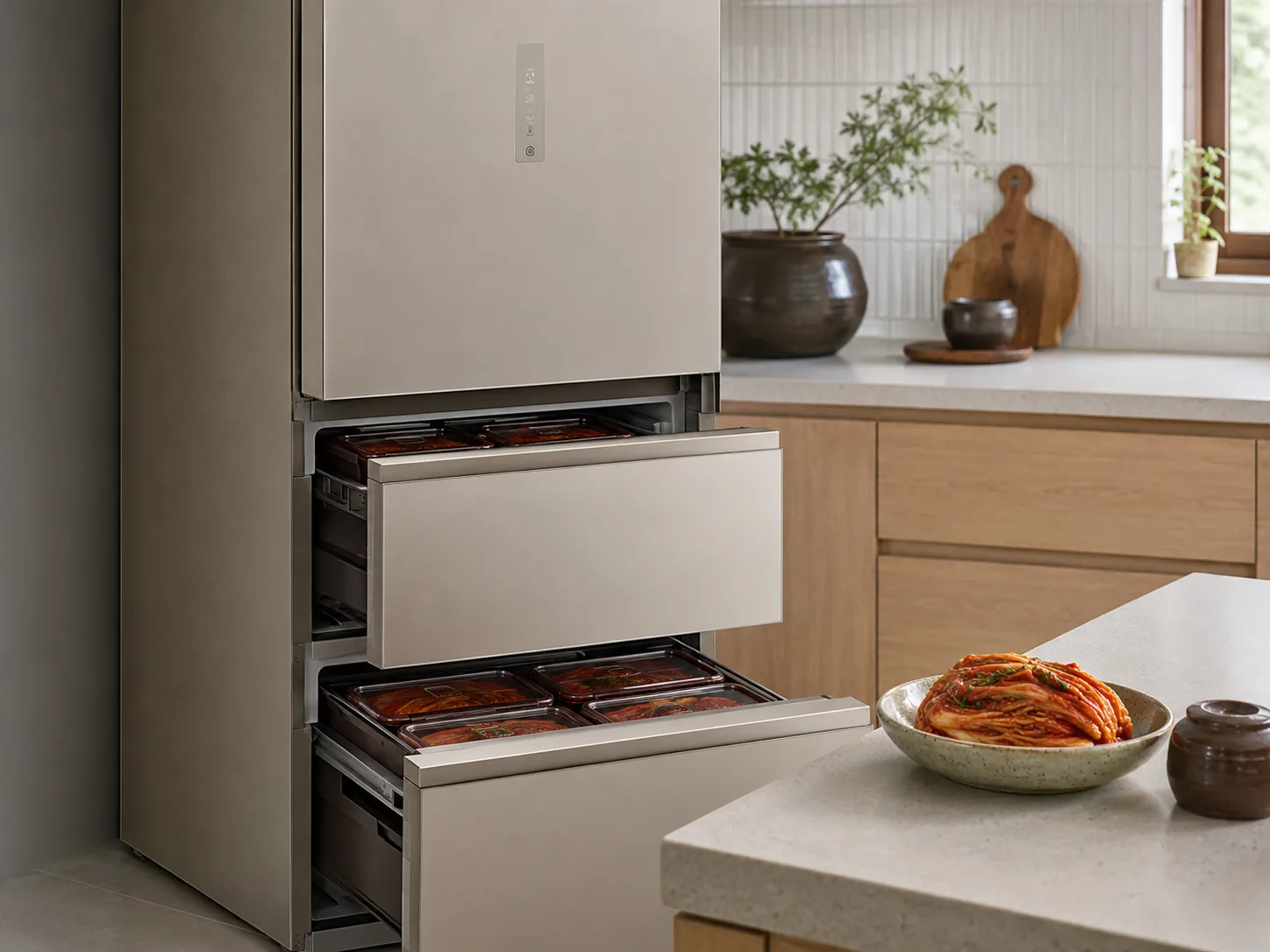
Kimchi Refrigerators
A dedicated refrigerator controls the temperature and storage conditions for different kinds and stages of kimchi.
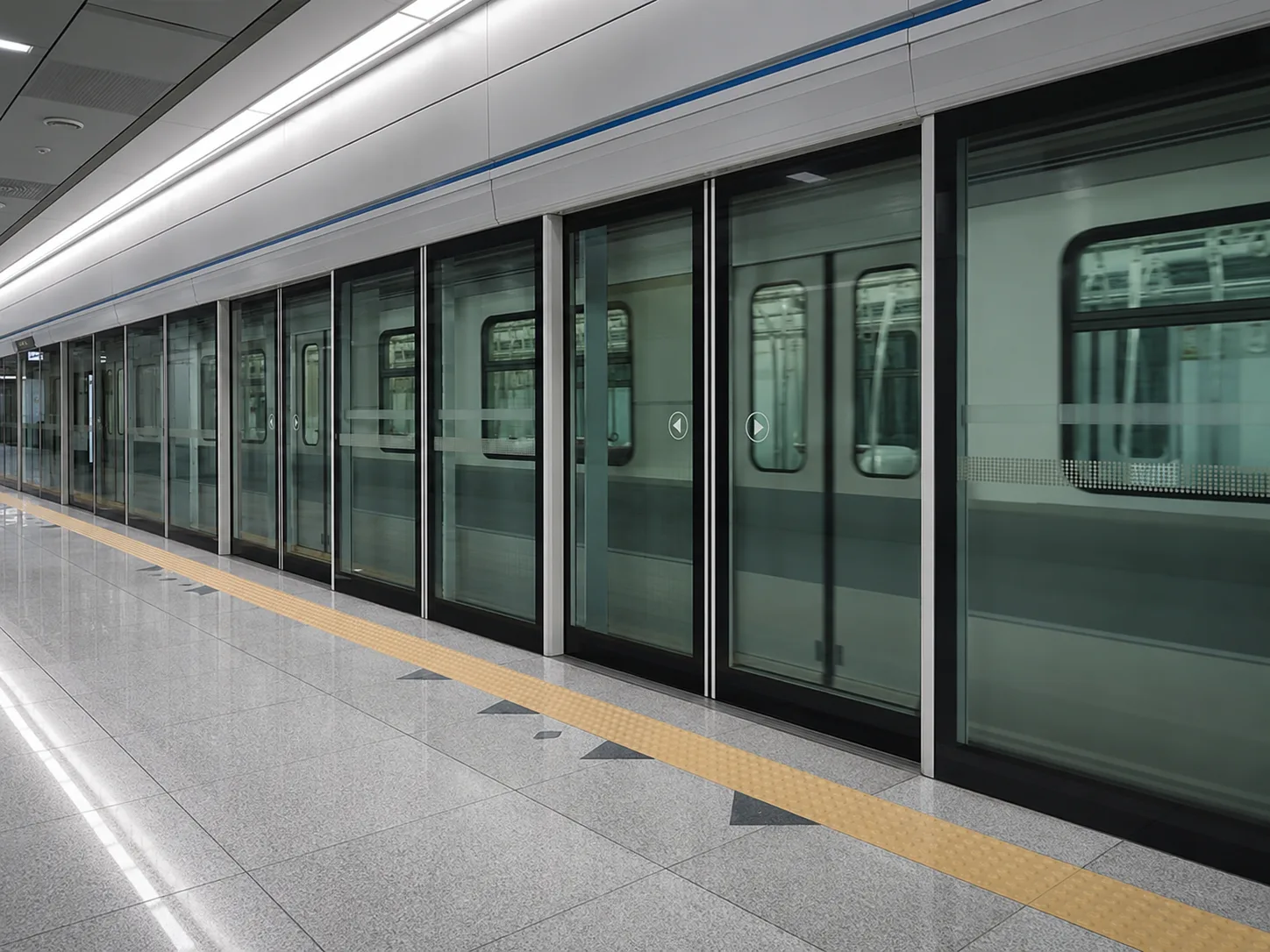
Subway Platform Screen Doors
These doors separate the platform from the tracks, helping prevent accidents while reducing noise, dust, and strong train winds.
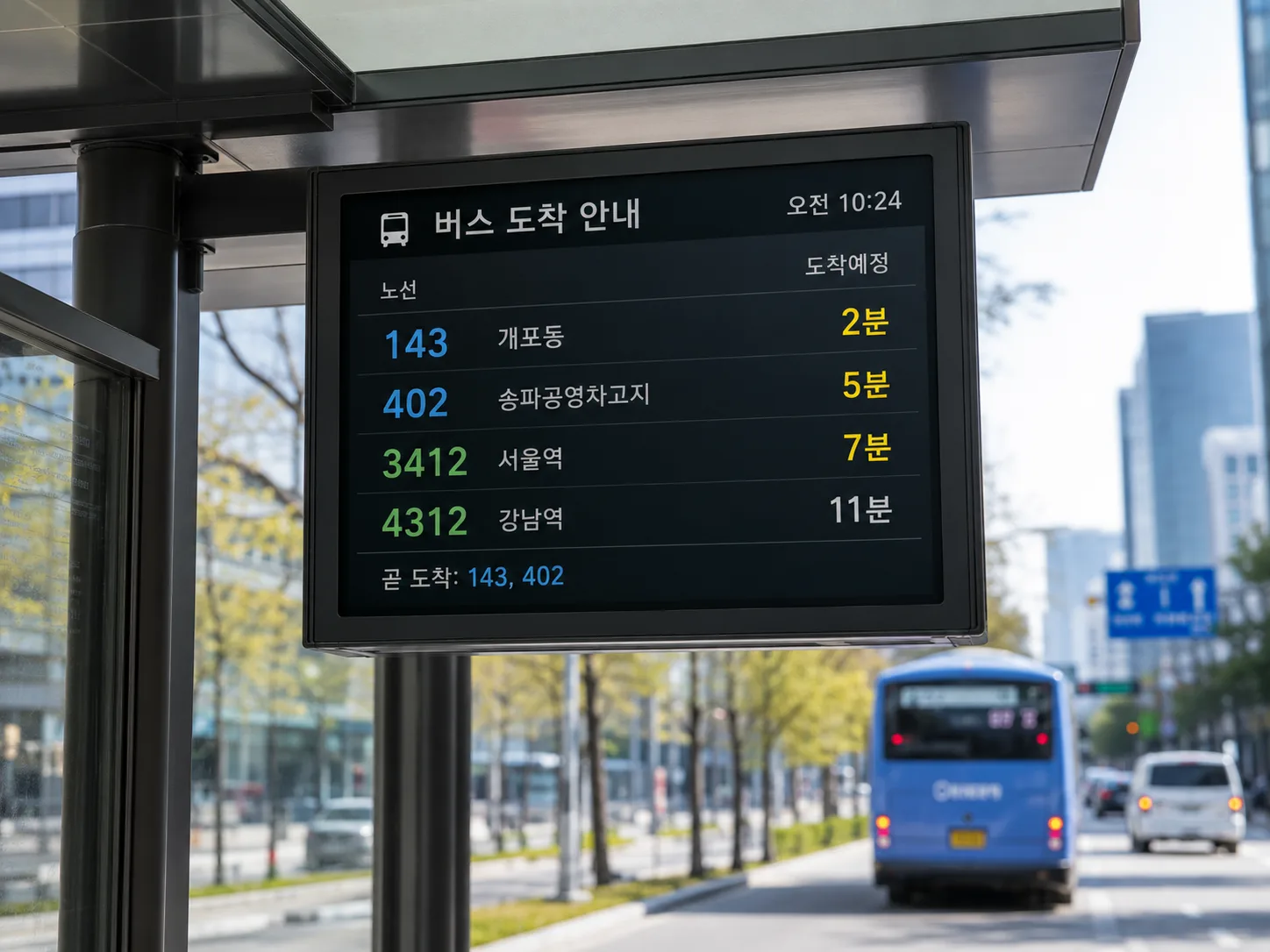
Real-Time Bus Arrival Displays
At many bus stops, a display shows in real time how many minutes remain before the next bus arrives.
Details
Real-Time Bus Arrival Displays
Real-time bus displays are the most visible part of Korea's bus information system. Buses use GPS and communication equipment, while city transportation centers collect their locations and send estimated arrival times to stop displays and mobile apps. Before this system, riders often had to stare down the road and wonder when the bus would appear. Now, knowing how many minutes remain makes a trip much easier to plan. The information is especially useful in an unfamiliar neighborhood, on a route with several transfers, or when buses run infrequently. Much of what makes public transportation in Korea feel convenient comes not just from the vehicles themselves, but from the information around them. When an estimate is wrong, people notice immediately because they have learned to trust the system. The display is more than a sign; it helps make city travel feel predictable.