
Korea, Explained
KOREA, EXPLAINED
The little things that make everyday life in Korea different.
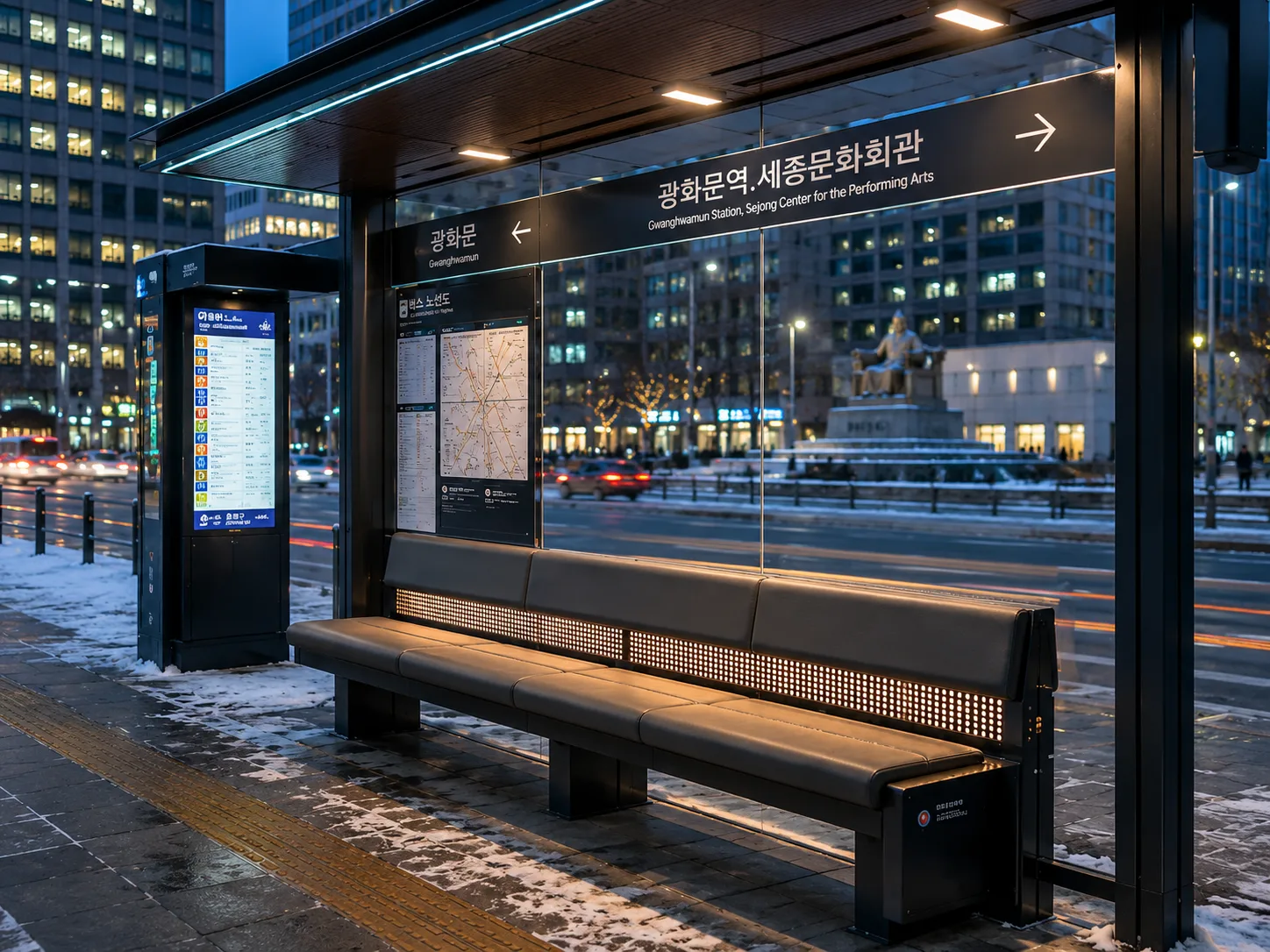
Heated Bus-Stop Seats
Heated seats make waiting for the bus more comfortable during Korea's cold winters.
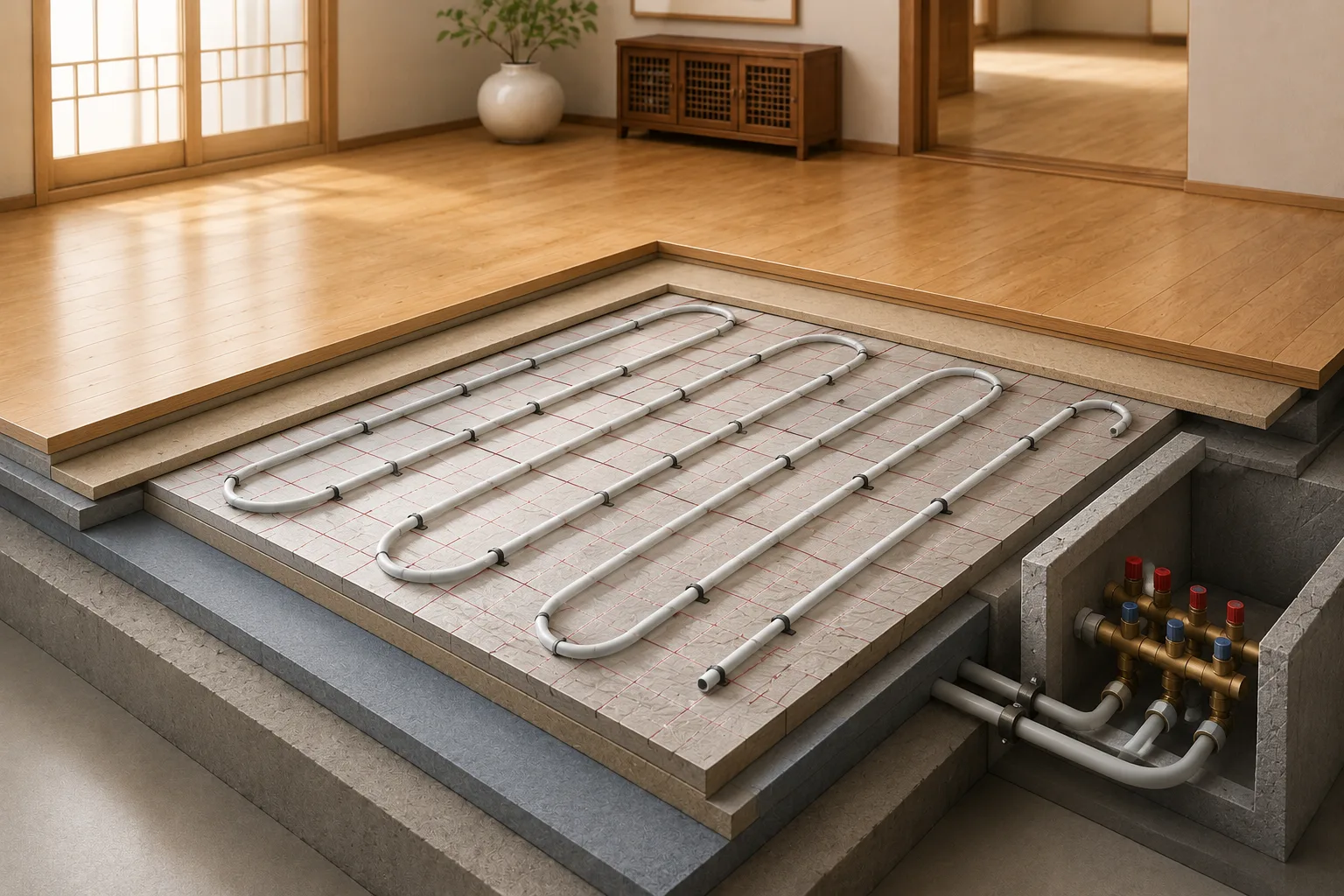
Ondol Floor Heating
Ondol warms the whole floor, allowing heat to rise gently through the room instead of simply blowing warm air.
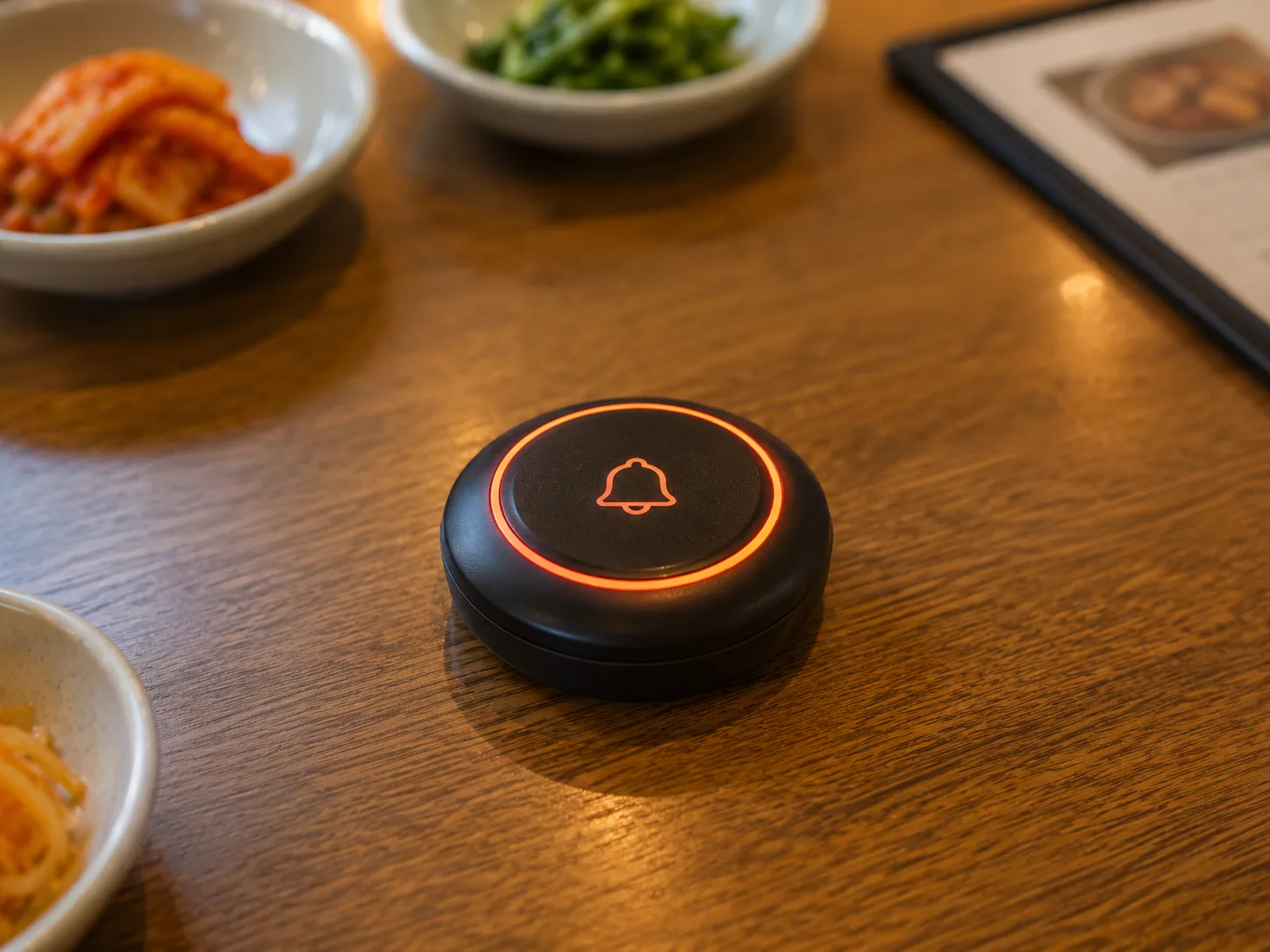
Table Call Buttons
Press the button on the table to call a server without waving or shouting.
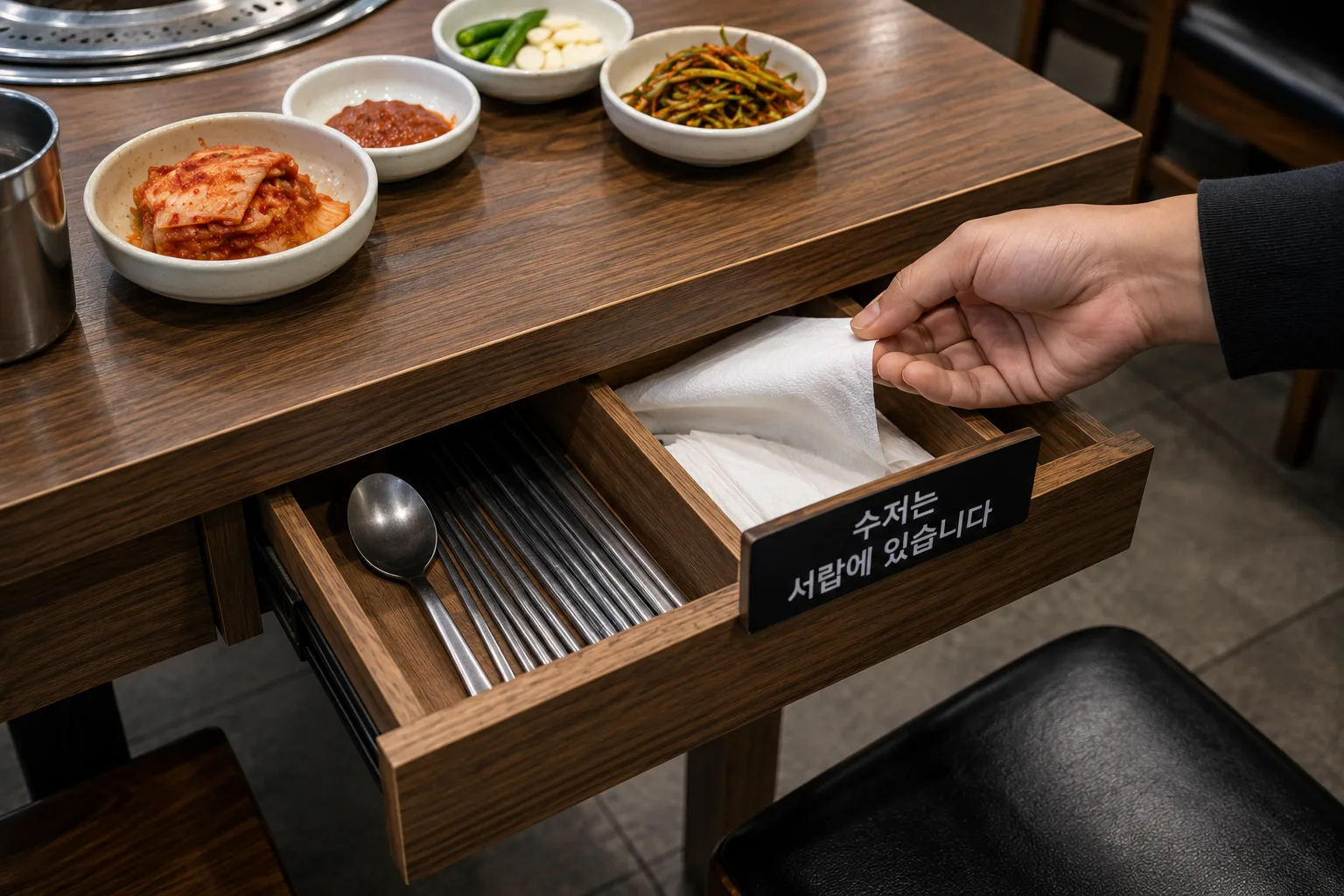
Hidden Table Utensil Drawers
In many Korean restaurants, spoons, chopsticks, and tissues are stored in a drawer under or beside the table for guests to take themselves.
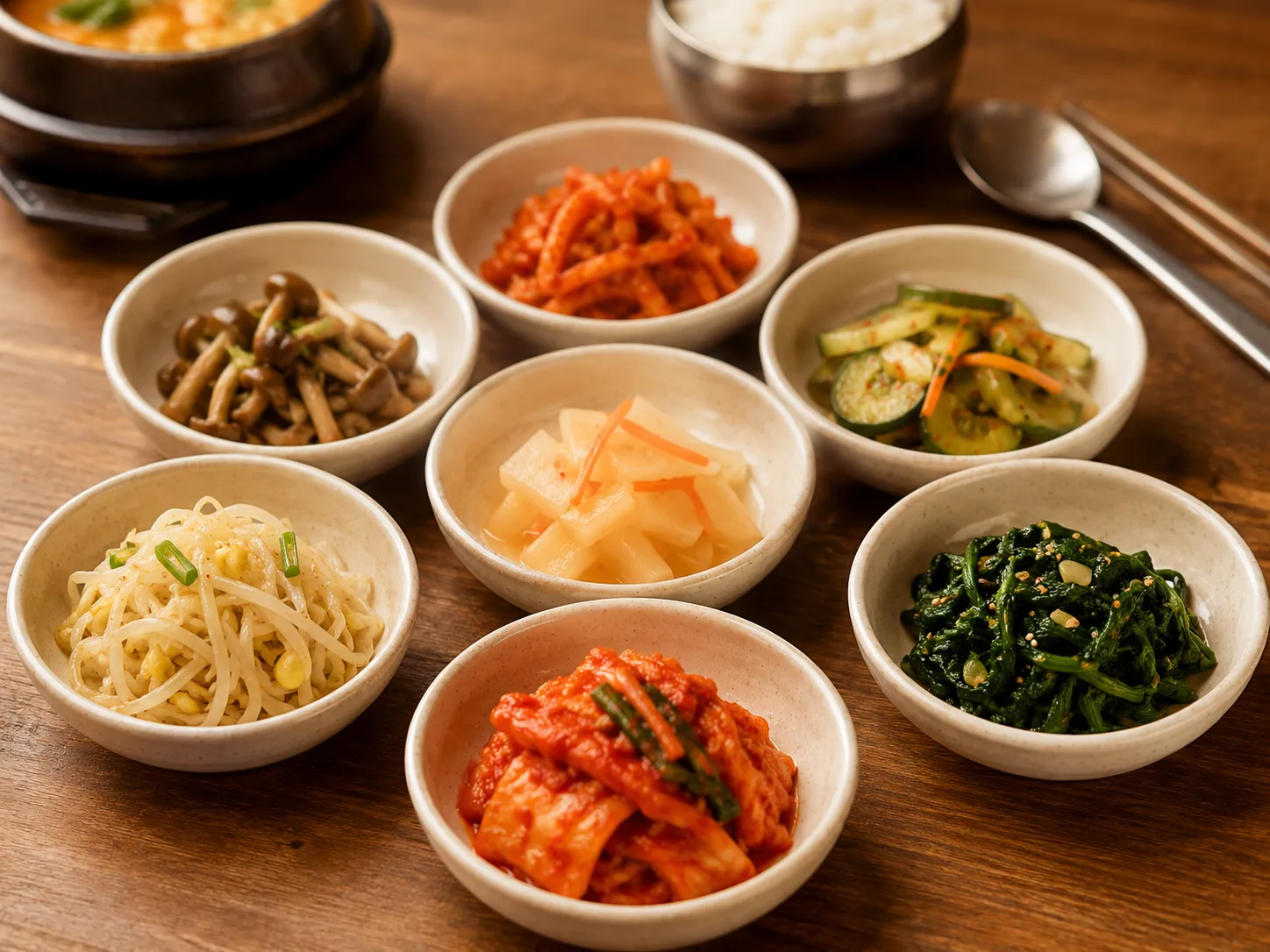
Free Banchan
Order a main dish, and you will usually receive several small side dishes, such as kimchi and seasoned vegetables.
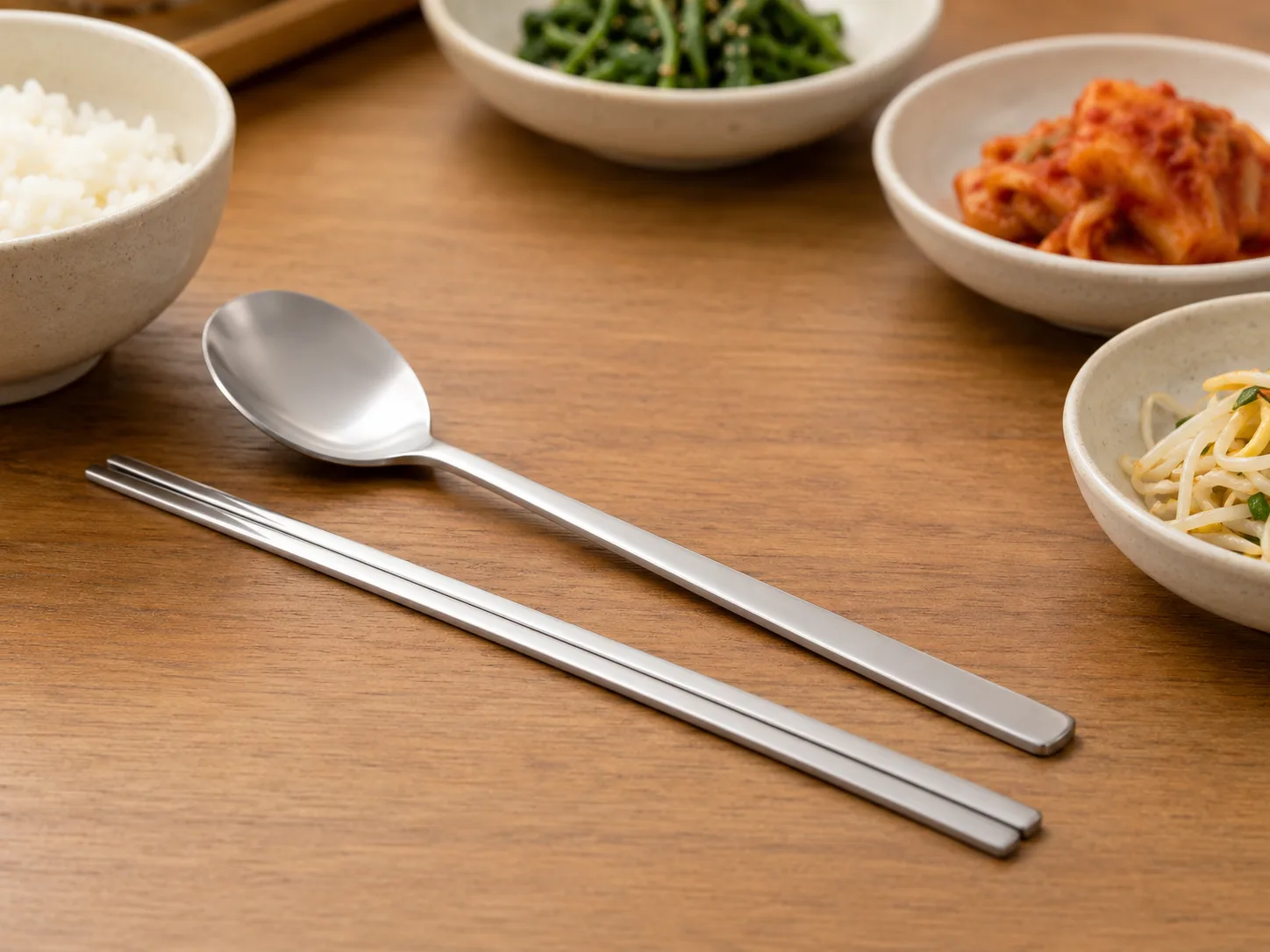
Metal Chopsticks
In many Korean restaurants, stainless-steel chopsticks come with a spoon instead of disposable wooden chopsticks.
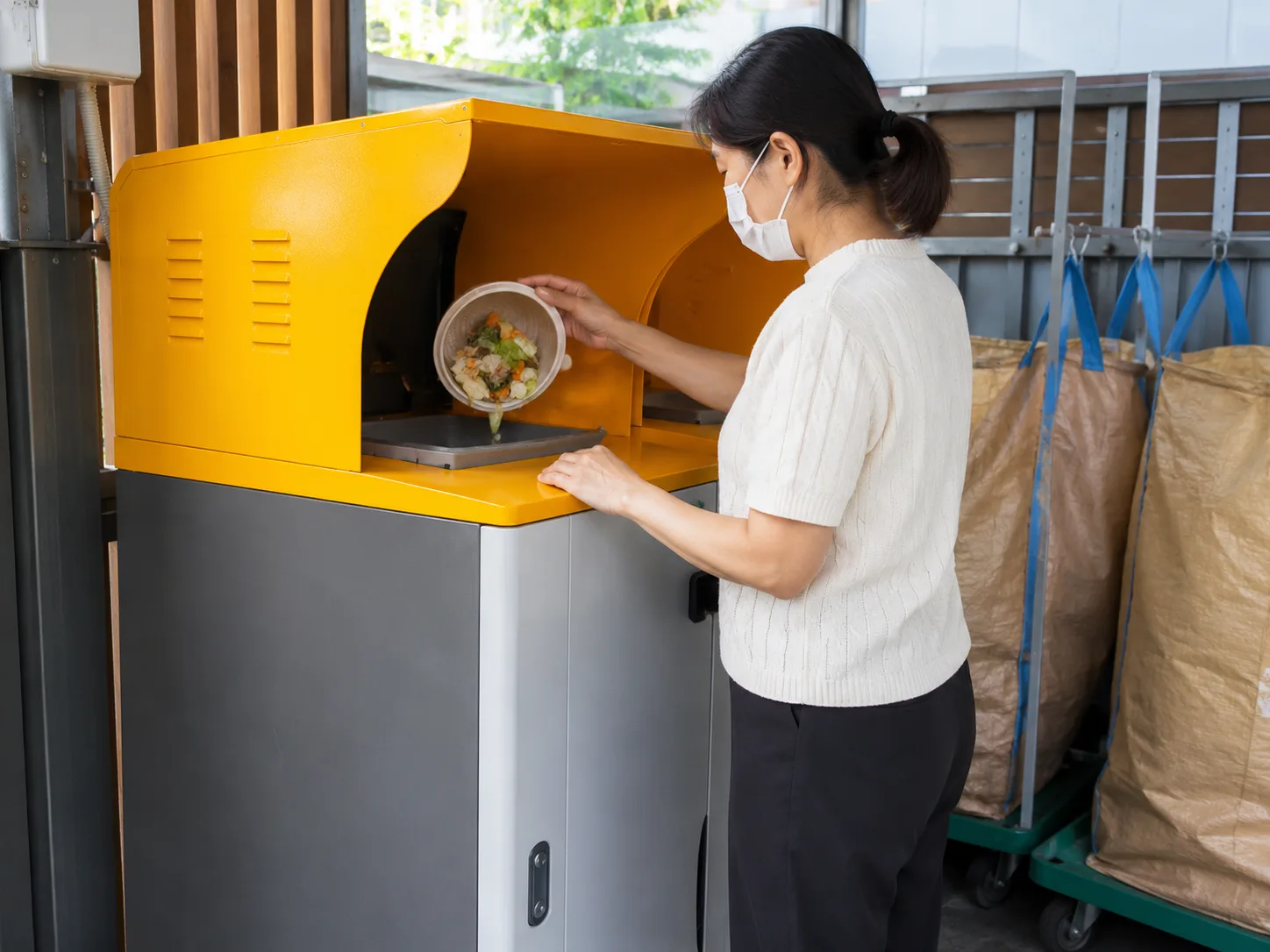
RFID Food-Waste Bins
These bins weigh food scraps and charge each apartment household based on the amount it discards.
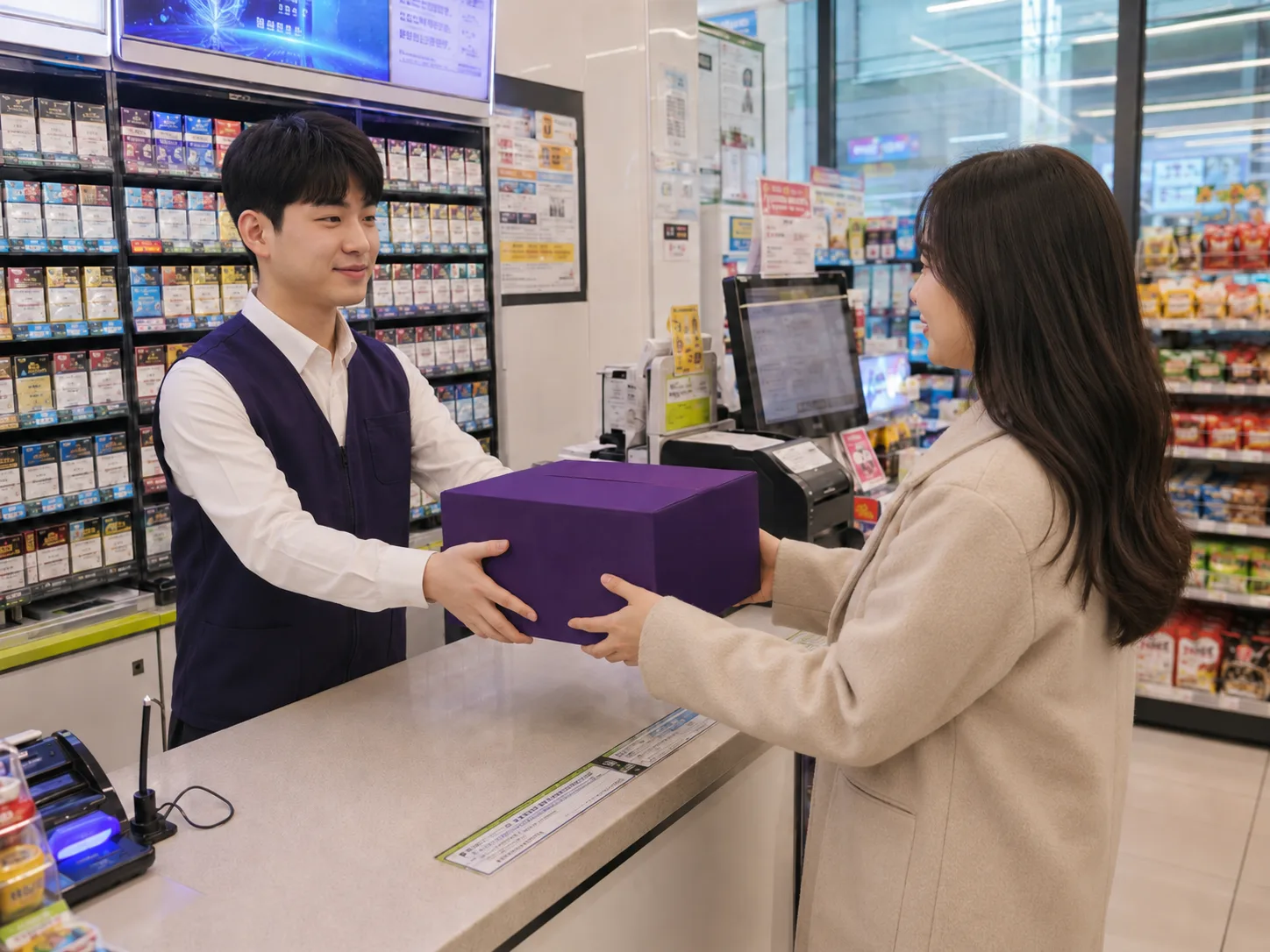
Convenience-Store Shipping
You can send a package from a convenience store or have it delivered to a nearby store for pickup.
Details
Free Banchan
The custom of serving banchan comes from the structure of a traditional Korean meal. Rice sits at the center, with small portions of kimchi, seasoned vegetables, pickles, and salted or fermented seafood around it. Many of these foods were made to keep well and add bold, contrasting flavors. Restaurants carried this home-style arrangement into dining out. Even if you order just one main dish, the table can feel abundant because several tastes arrive with it, and regulars may judge a restaurant's cooking by the banchan before the main dish even appears. Free refills can feel generous, but they also raise food-waste concerns. That is why asking only for what you plan to eat is increasingly encouraged. Depending on the region, you may see more mountain vegetables, seaweed, pickles, or strongly flavored fermented seafood. Banchan is not just a free extra; each small plate carries a little of the region's ingredients, preservation traditions, and everyday home cooking.